Best Beaches in Mallorca: 12 Stunning Spots You Must Visit (2026)

The Island’s Most Beautiful Beaches & Coves

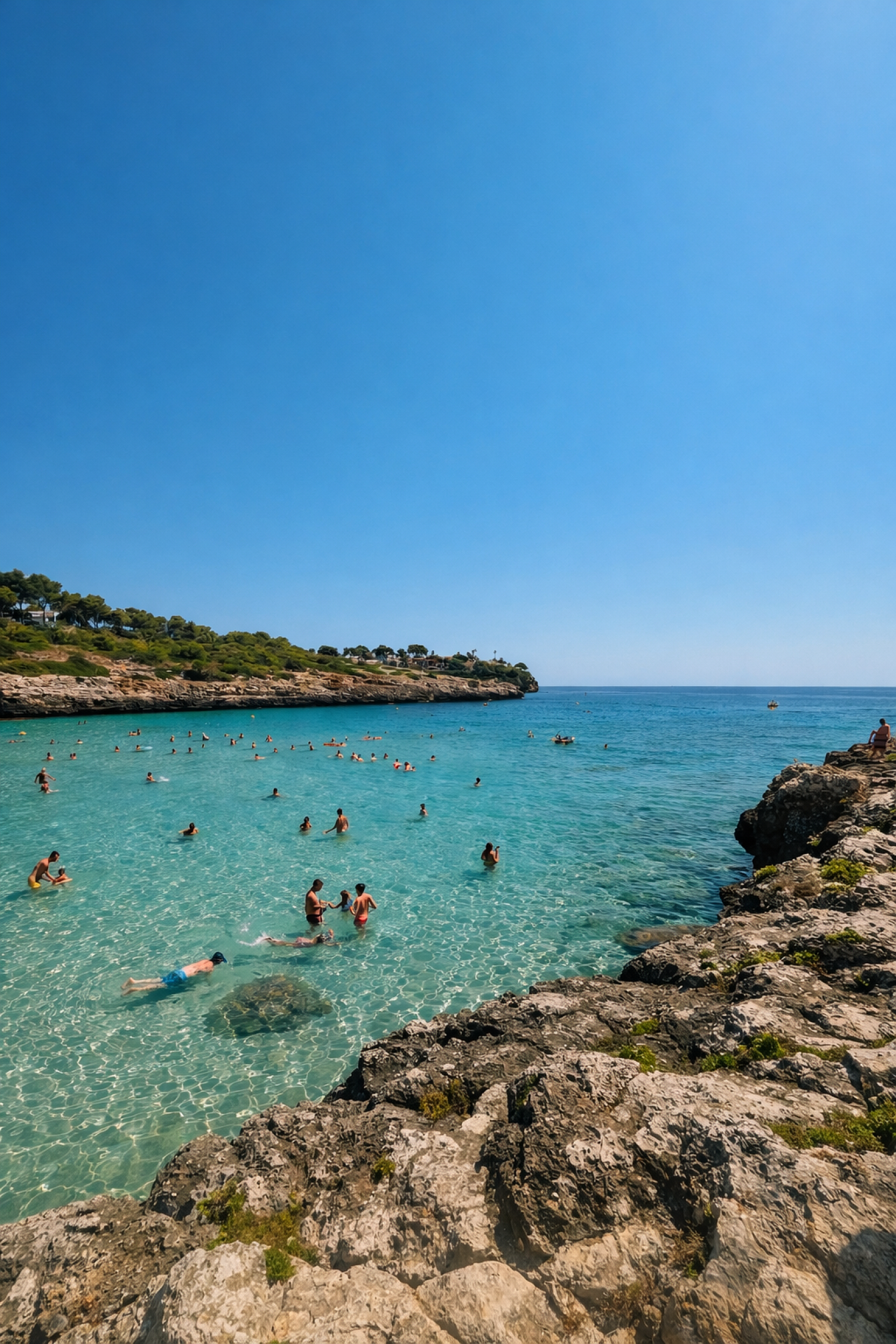
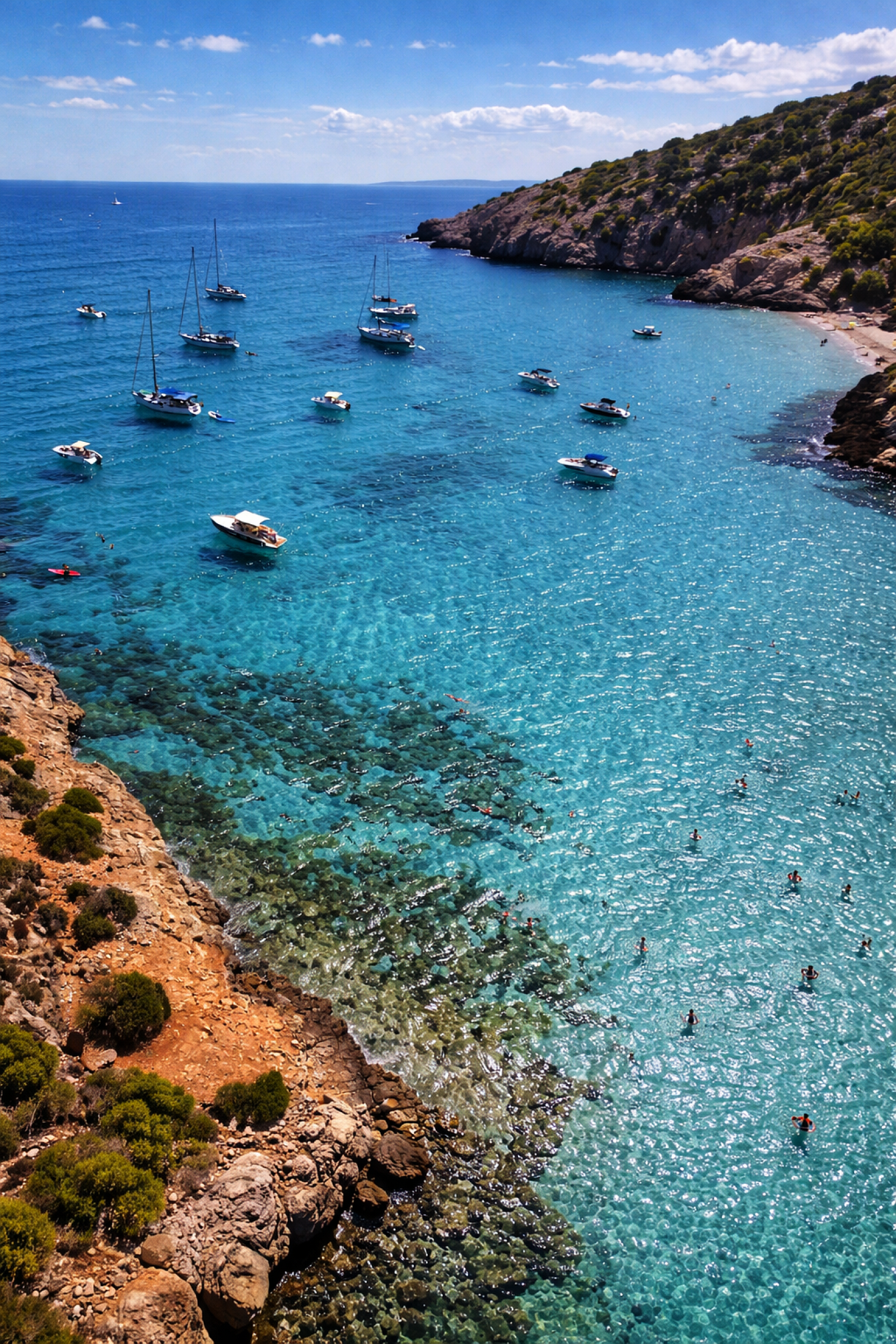
Mallorca is often described as a beach destination — but that only tells part of the story. What makes the island exceptional is not just the number of beaches, but their variety. 


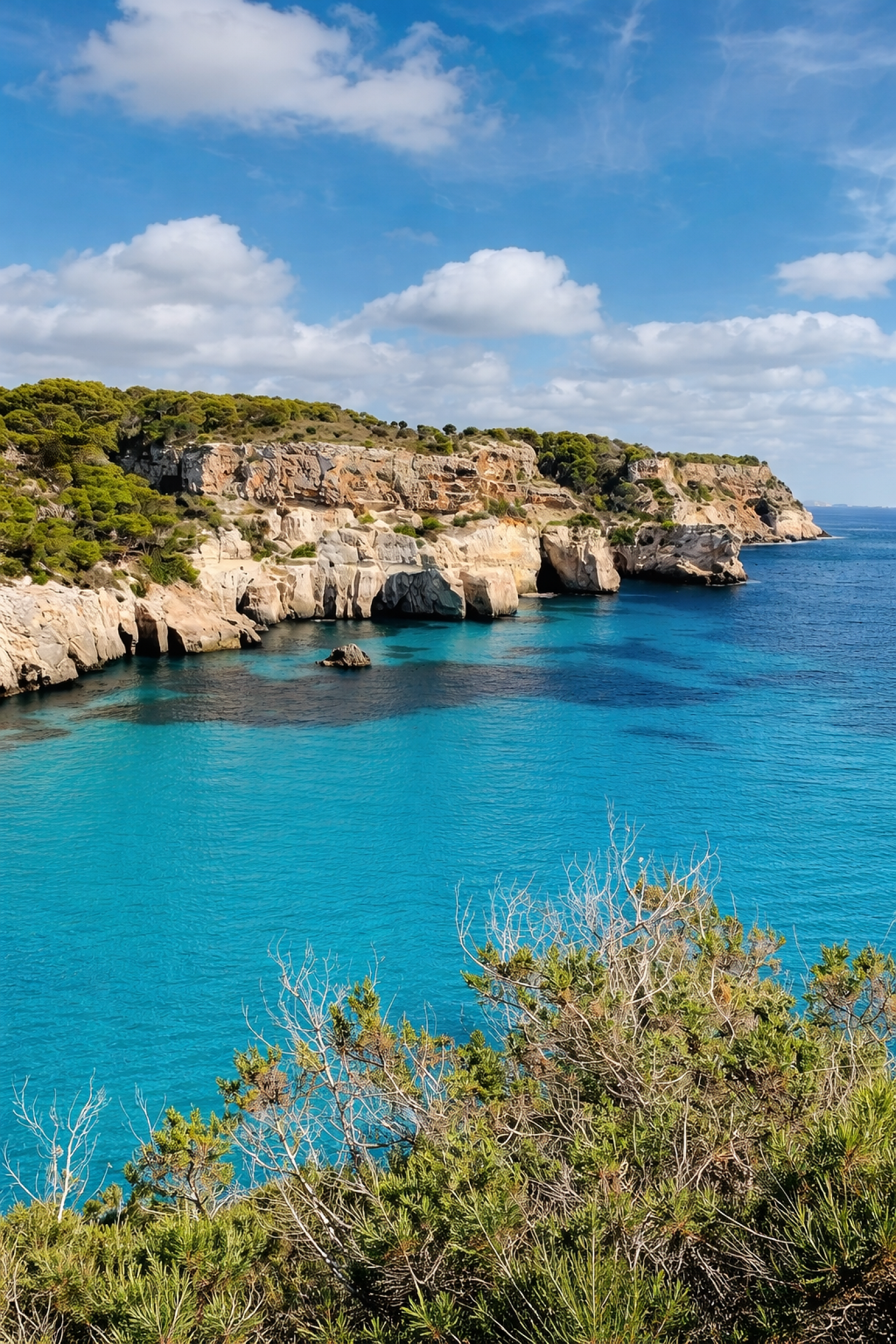
From narrow turquoise coves carved into limestone cliffs to long Caribbean-like stretches of sand and dramatic mountain-backed inlets, Mallorca offers one of the most diverse coastlines in the Mediterranean. 


This guide brings together the best beaches in Mallorca, organised by region, atmosphere and experience — whether you’re planning relaxed swimming days, scenic coastal drives or boat excursions along the shore.

Understanding Mallorca’s Coastline 


Mallorca’s beaches are best explored region by region: 


East – hidden turquoise coves and intimate bays

South – long white sand and shallow water          

North – wide bays with refined resort settings      

West – dramatic cliffs and mountain scenery       


Each area offers a completely different coastal experience.


East Mallorca – Hidden Turquoise Coves

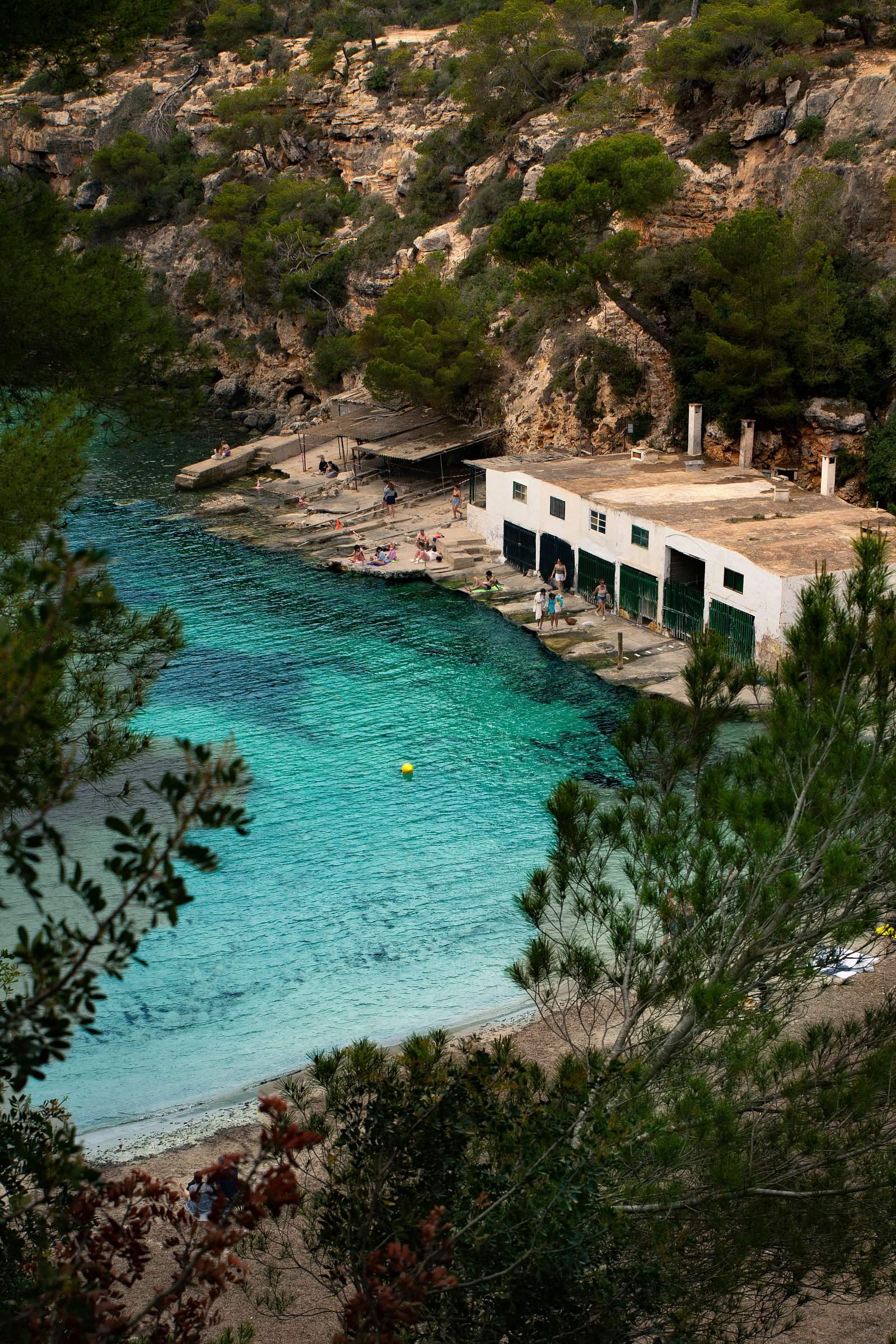
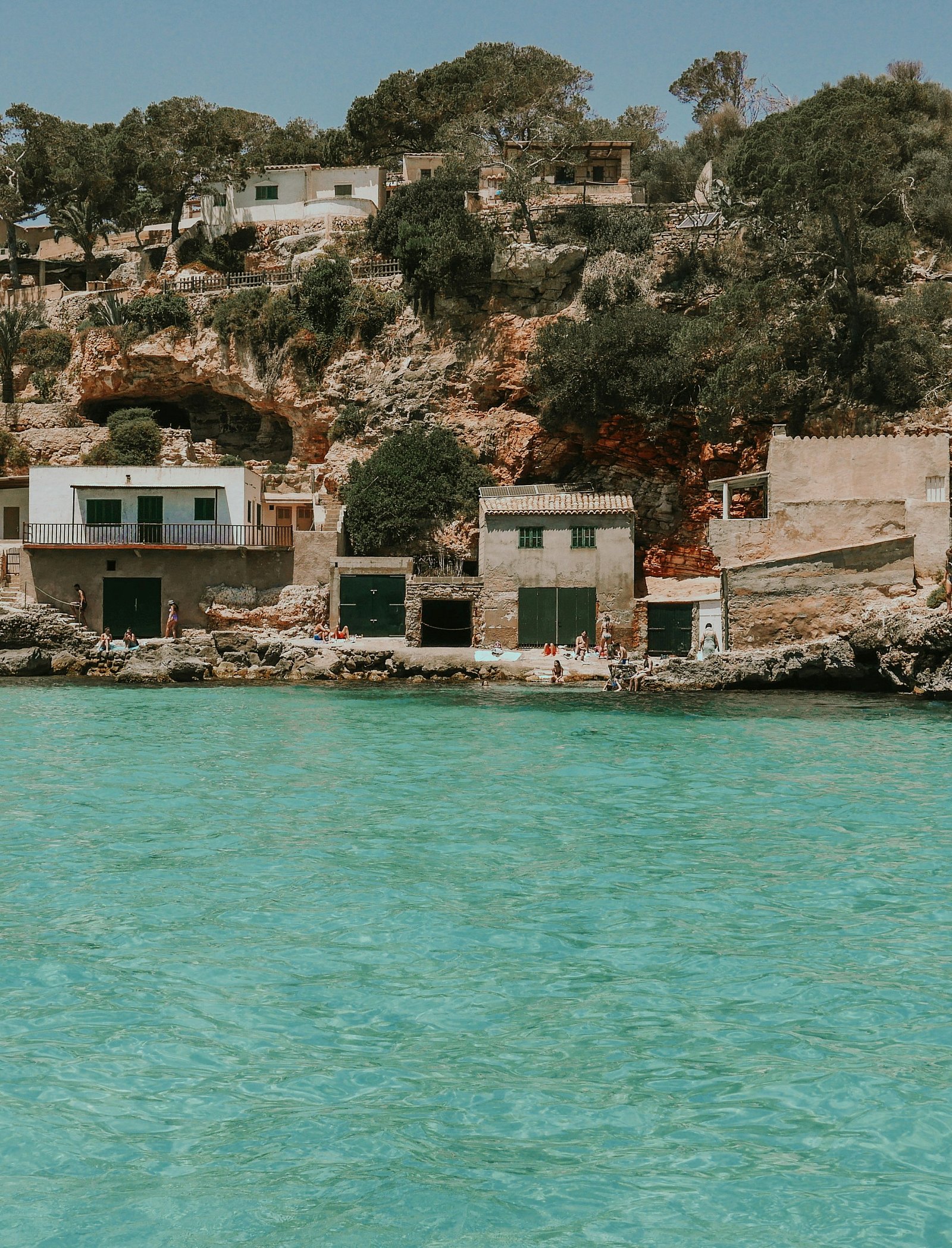
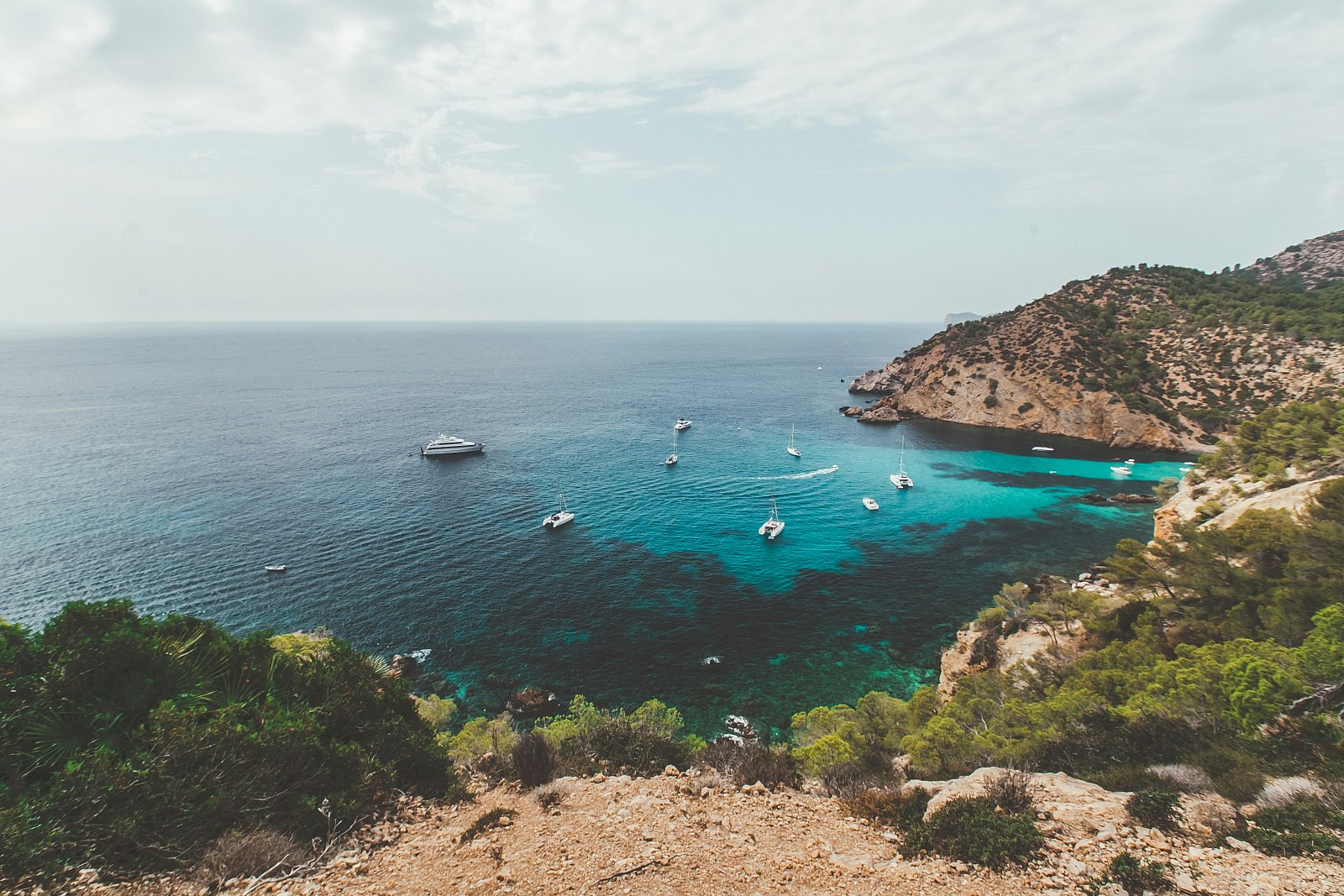
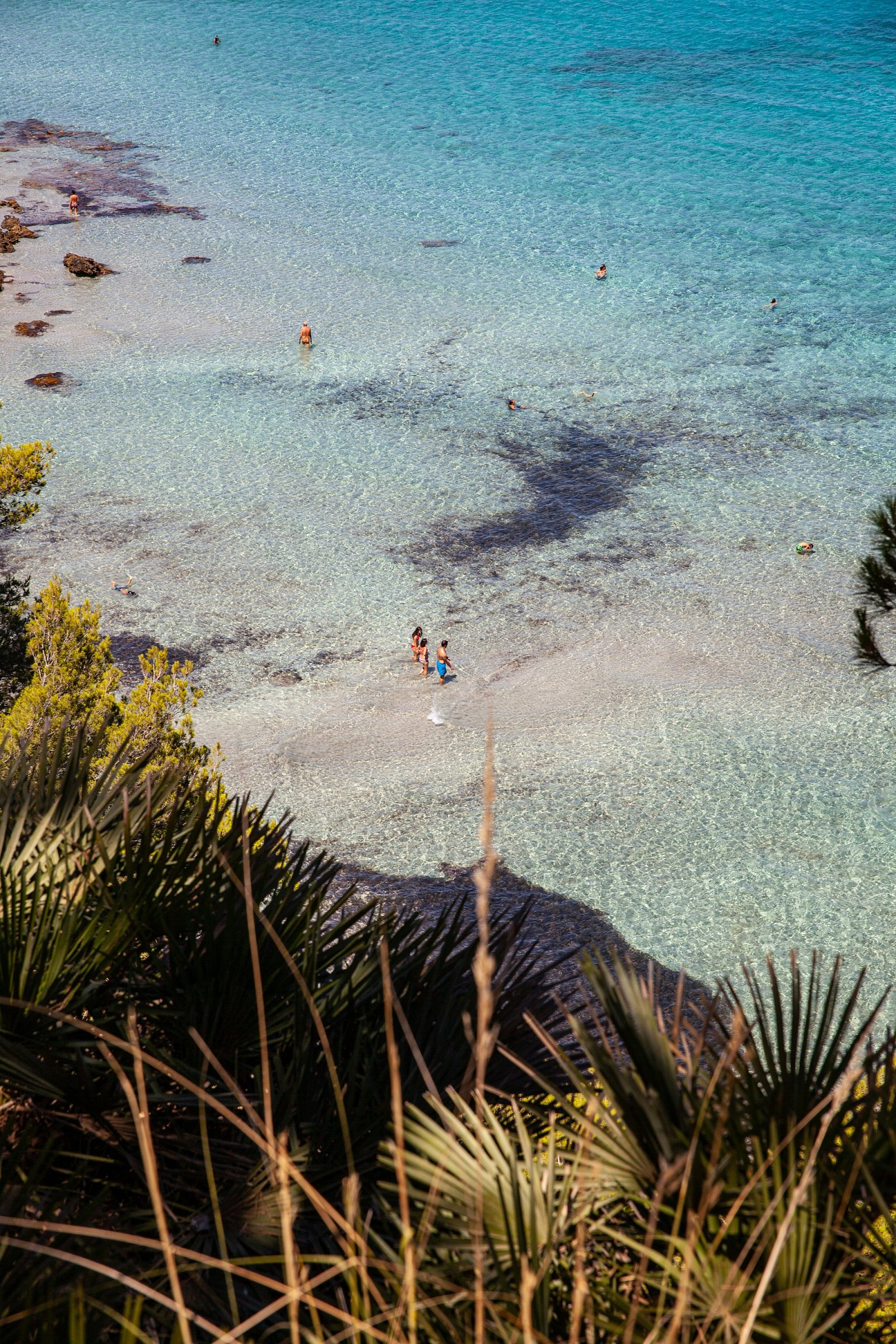
The east coast is known for smaller coves framed by pine trees and limestone cliffs.


Cala Mondragó 

Located within Mondragó Natural Park, this beach balances accessibility with protected scenery and calm swimming conditions, and is actually part of a trio of connected coves — Cala Mondragó, S’Amarador, and the smaller Caló des Borgit — linked by easy coastal walking paths.


Cala Varques 

More natural and less developed, ideal for travellers seeking a quieter atmosphere and excellent snorkeling near the rocky edges, but reaching it requires a 20–30 minute walk from the nearest parking area along an unpaved path, as there is no direct road access.


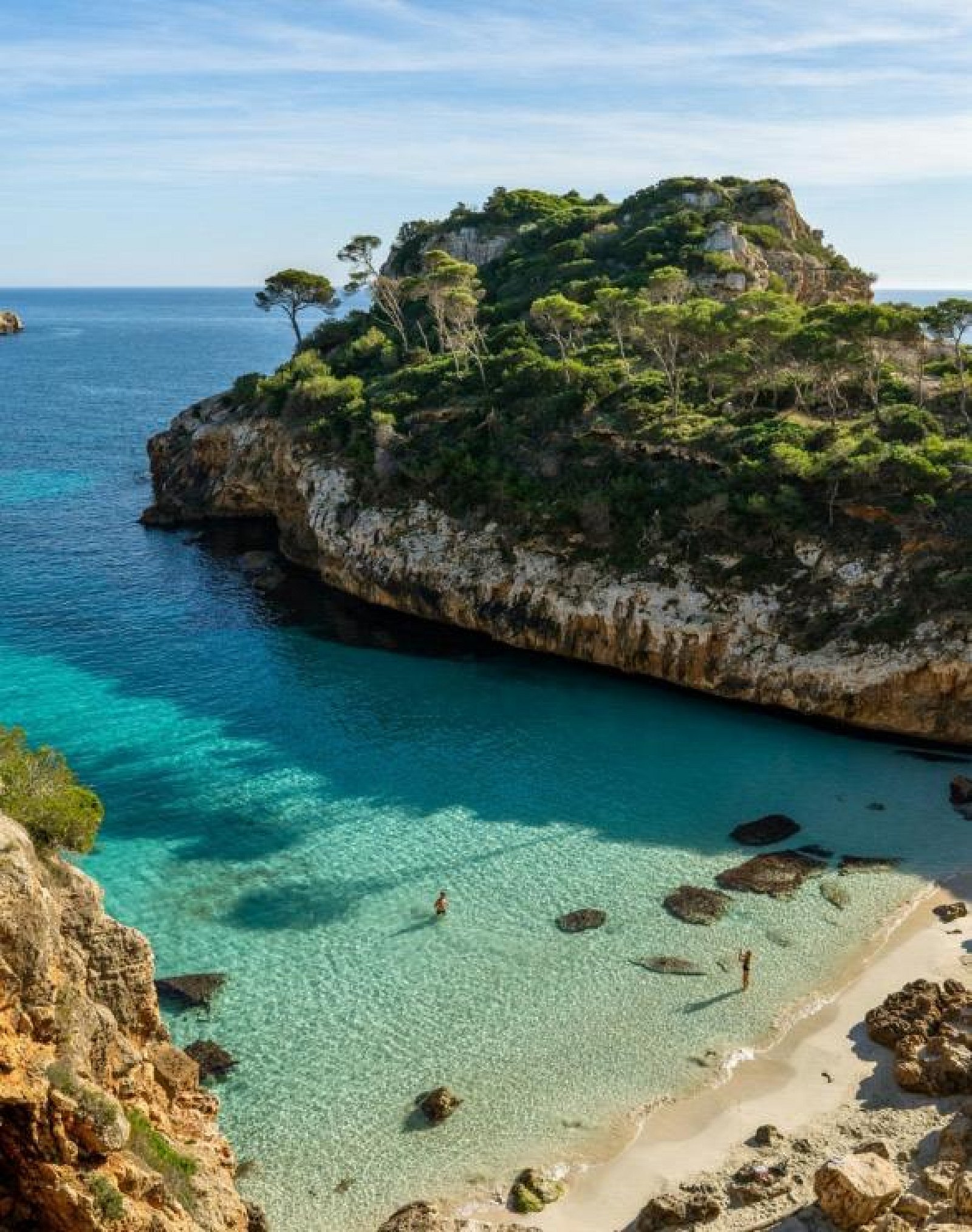
 Caló des Moro 

Compact, intensely blue and framed by steep cliffs — one of the island’s most photographed coves, With access via a steep staircase and rocky path from nearby Cala s’Almunia, making it unsuitable for visitors with mobility issues or large beach gear.


South Mallorca – Long White Sand & Open Horizons 


 Es Trenc 

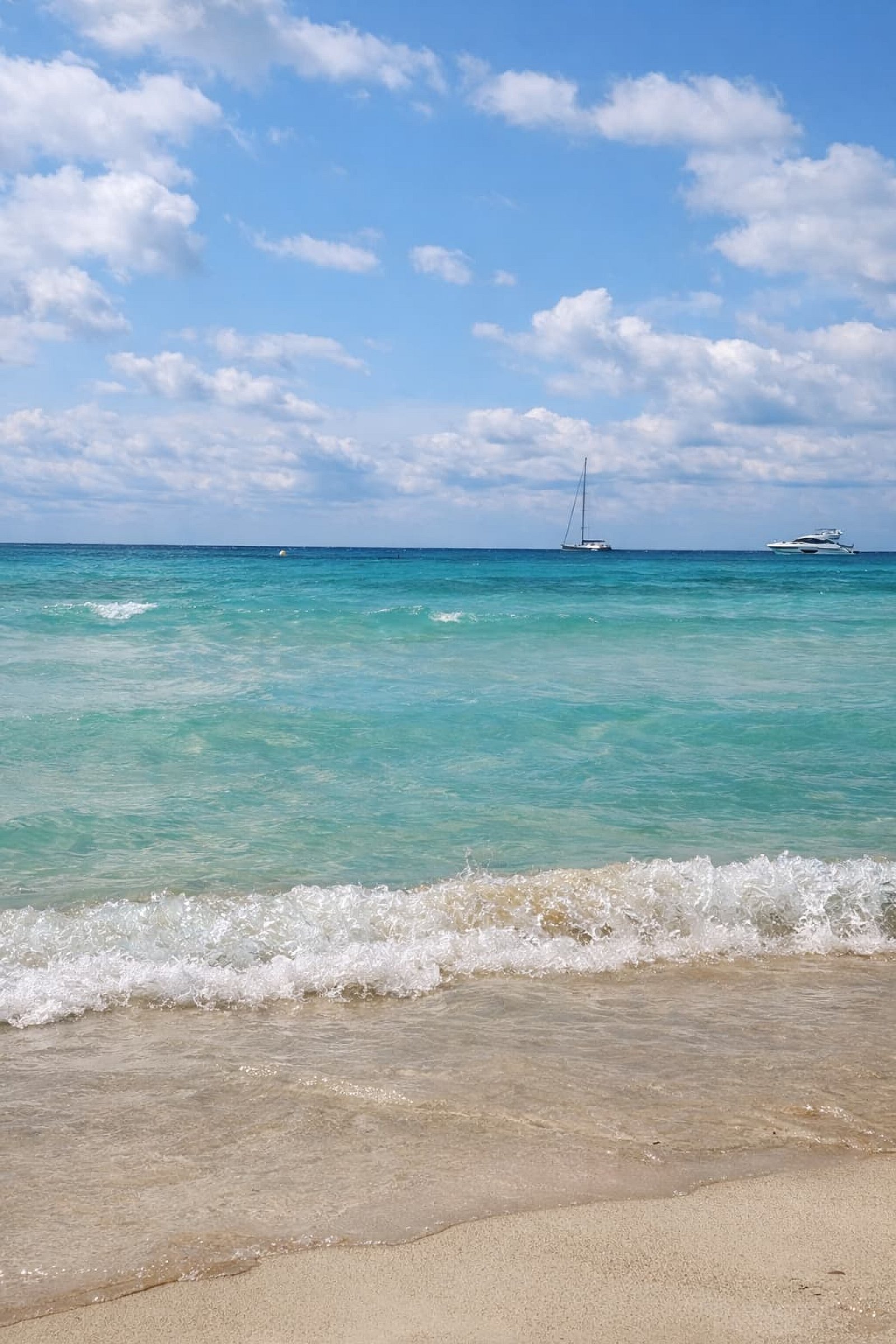
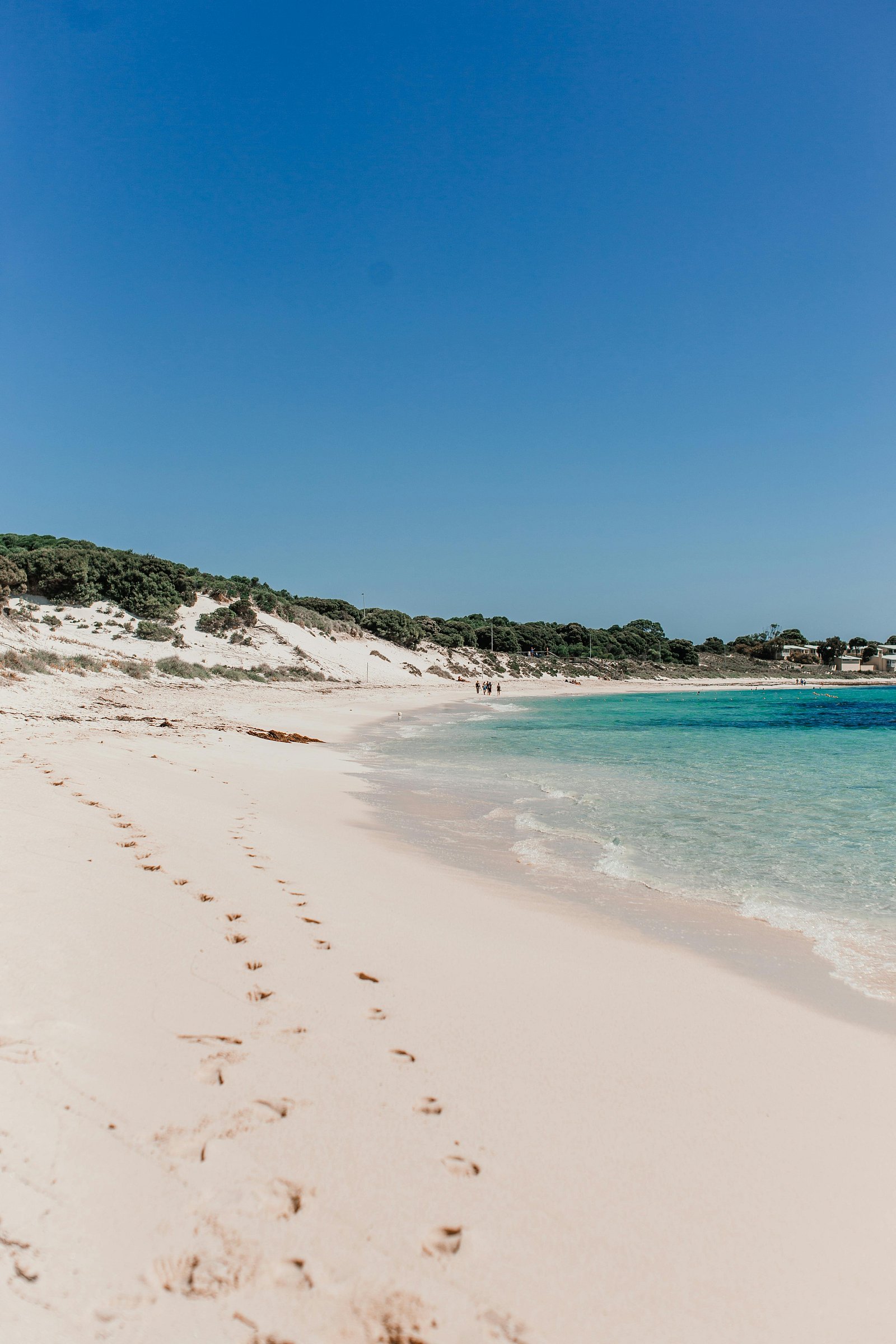
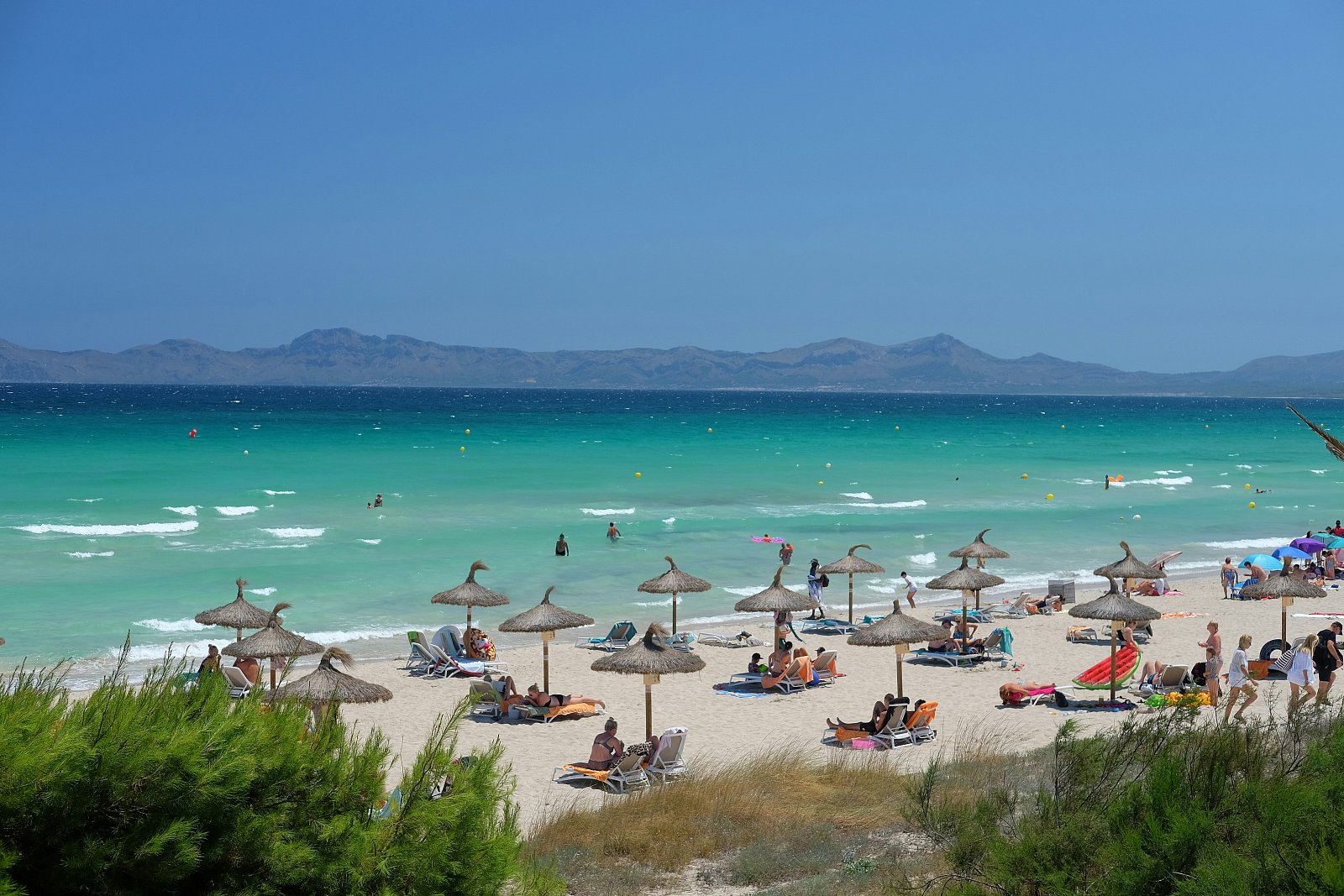
Often compared to Caribbean beaches thanks to its pale sand and shallow aquamarine water, it is one of the few large undeveloped beaches in Mallorca with protected dune systems and paid parking areas located a short walk from the shoreline. 

 Cala Pi 

A sheltered sandy inlet set between cliffs — calm and scenic — reached via a long staircase from the village above, with limited parking that fills quickly in summer. 


 Cala Llombards 

Clear turquoise water with easier access than many smaller coves, plus a small beach bar and parking close to the sand, making it one of the more convenient cliff-framed beaches on the southeast coast.  


West Mallorca – Where Mountains Meet the Sea

The west coast offers a completely different mood. 


 Cala Deià 

A small, atmospheric pebble cove beneath dramatic cliffs, accessible by a steep downhill walk from the village with very limited parking, making early arrival essential in peak season. 


 Sa Calobra 

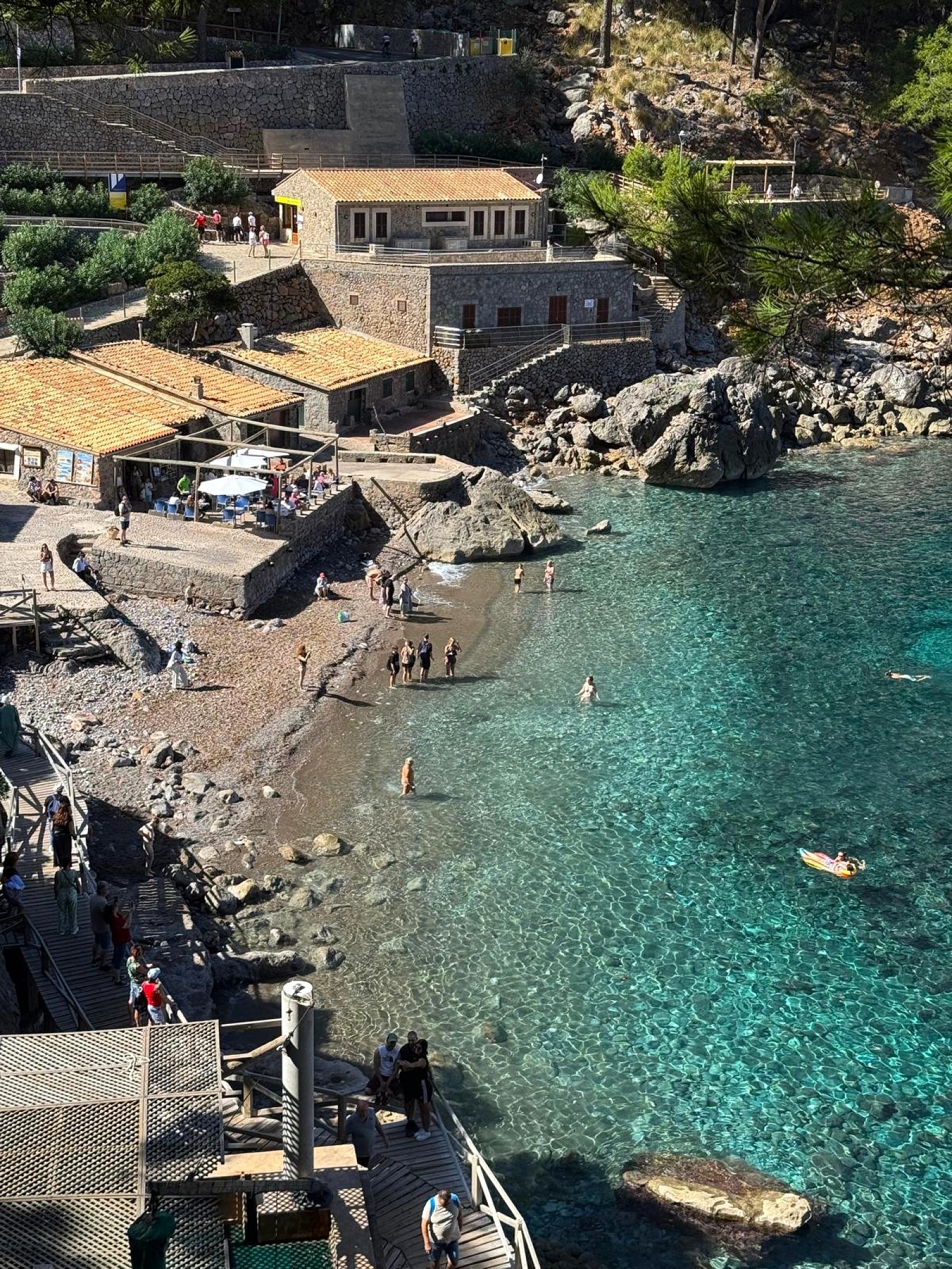
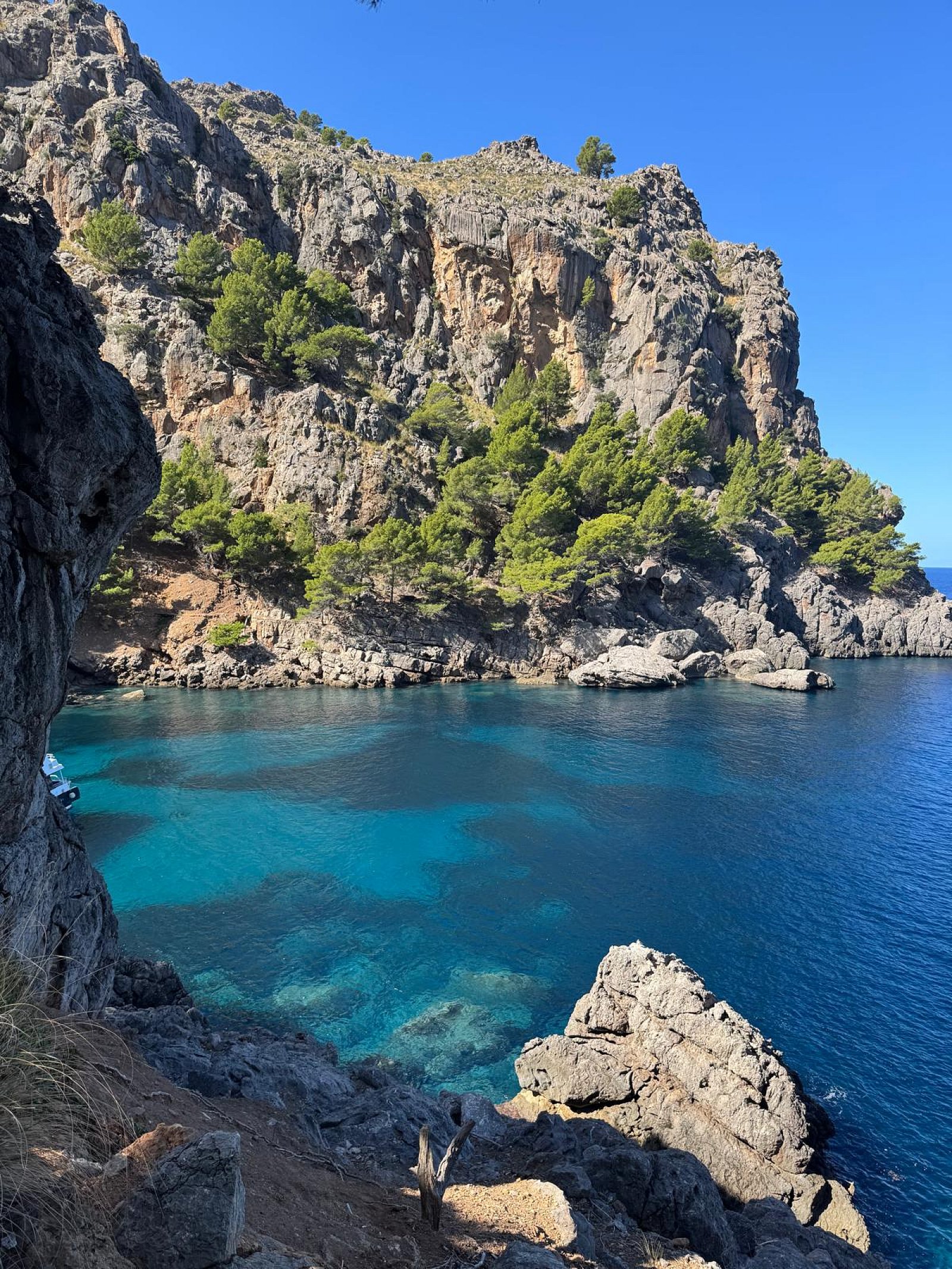
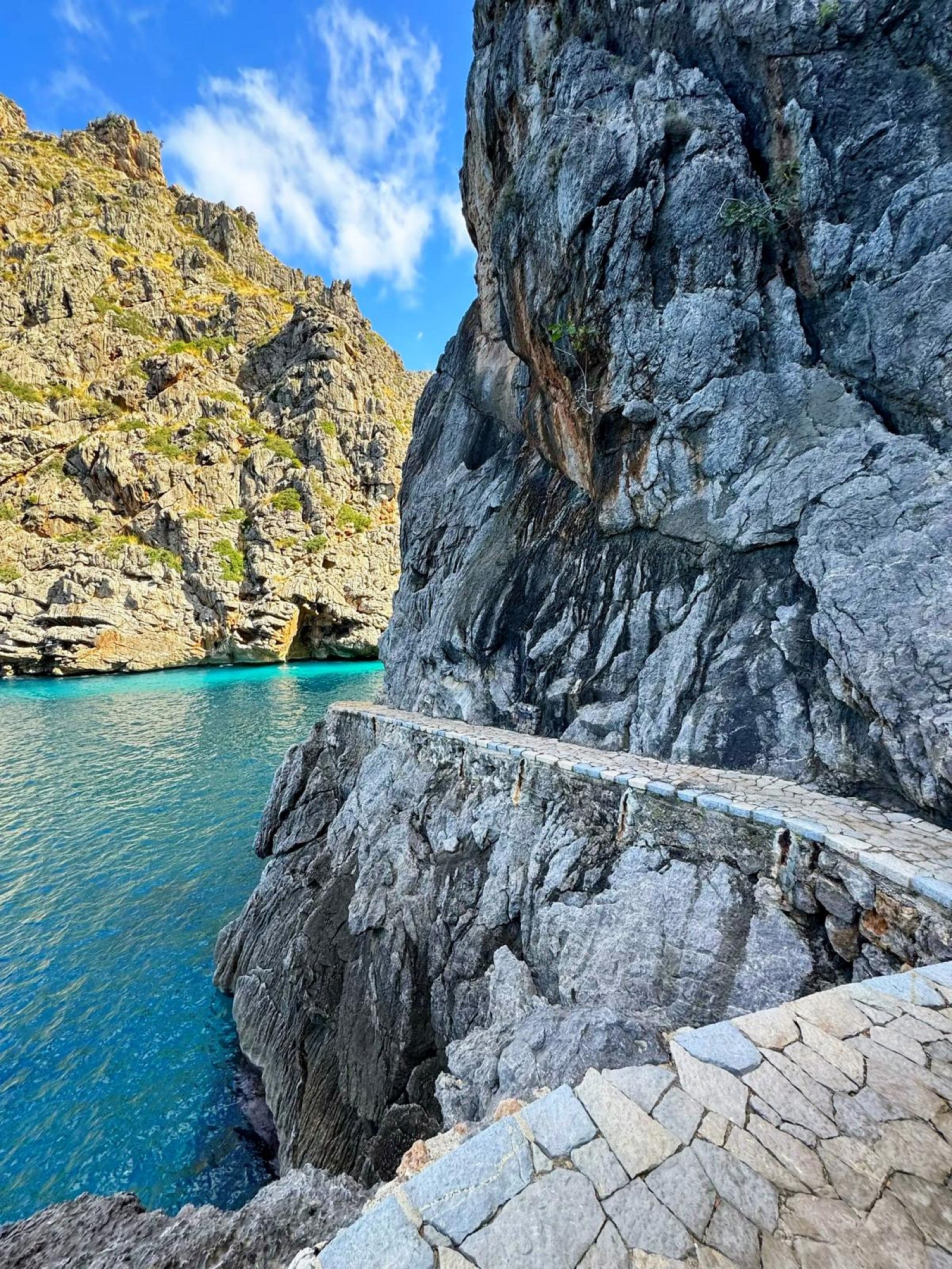
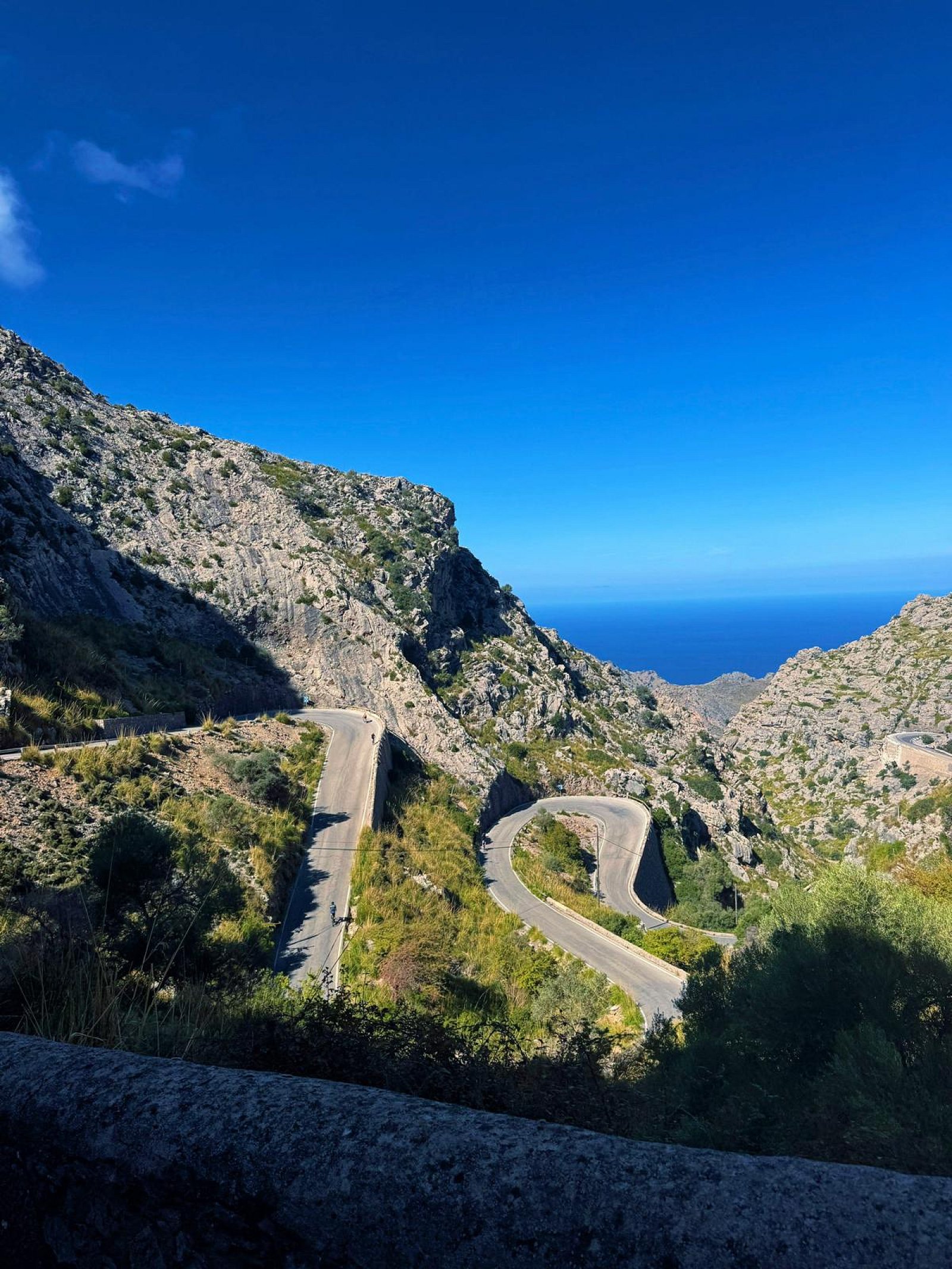
Reached via one of the island’s most scenic mountain roads, this tiny beach sits at the mouth of the Torrent de Pareis gorge and requires a short walk through pedestrian tunnels carved into the rock. 


 Port de Sóller 

A broad, sheltered bay with a mix of sand and pebbles, easily accessible by road, historic tram, or boat, and one of the few west-coast beaches with full facilities, a promenade, and family-friendly swimming conditions.


North Mallorca – Elegant Bays & Resort Comfort

The north combines natural beauty with refined infrastructure. 


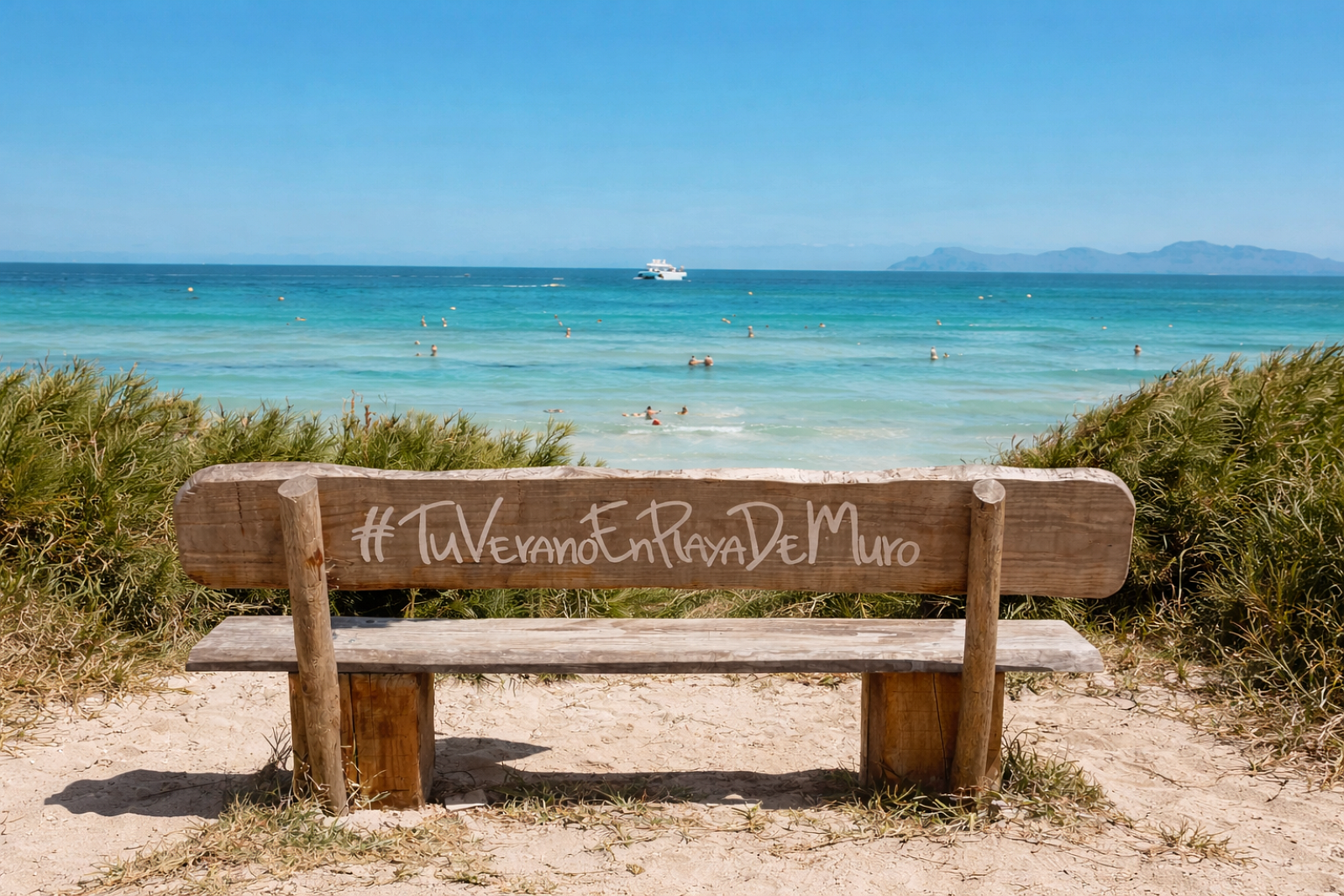
Playa de Muro 

Long, walkable shoreline with shallow water — ideal for relaxed beach days — divided into quieter natural sections and resort areas, with extensive facilities, boardwalk access, and reliable public transport connections. 


 Playa de Alcúdia 

A classic bay setting with restaurants and accommodation within walking distance, stretching for several kilometres from Port d’Alcúdia toward Can Picafort with calm, family-friendly water and numerous water sports options. 


 Cala Agulla 

Framed by pine forests and protected land, slightly wilder in character, located near Capdepera with a large parking area set back from the beach and marked hiking trails leading into the surrounding natural park.


OUR TIPS: 


Best visiting hours: Early morning before 10 AM in summer months is the best time to find parking, avoid crowds, and enjoy calm waters. 


Access: Many beaches and coves are about 30–90 minutes by car from Palma. Parking can be limited in peak season, and some calas require a short walk or stairs to reach the beach. 


For calas & rocky beaches: Many coves have rocks and uneven terrain, so water shoes or sturdy footwear are highly recommended, especially if you plan to explore or jump from rocks. 


What to bring: Some smaller coves have no beach bars or restaurants, while others may only have one or two seasonal chiringuitos. Bringing water, snacks, and sun protection is recommended, especially when visiting more remote beaches. 


Extra tips: Mobile signal can be limited in more secluded areas, so downloading maps in advance can be helpful. Shade is often limited on wild beaches, so a hat or umbrella can make a big difference during hot summer days. 


Plan your experience: You can discover and book selected activities and experiences through our trusted partners directly on our website.  


Many of these coves are best experienced by boat — discover available boat excursions.