The earlier you arrive, the more the island feels like yours.
Most Beautiful Coves in East Mallorca
Hidden Coves, Turquoise Water & Local Insights
East Mallorca is home to some of the most beautiful beaches and hidden coves on the island. From dramatic turquoise bays surrounded by cliffs to long sandy beaches perfect for families, this part of Mallorca offers something for everyone.
Whether you're staying in Cala d’Or, Porto Cristo, or exploring the southeastern coast, this guide will help you discover the best beaches in East Mallorca — including local tips, parking advice, and when to visit.
Cala Varques – Untouched & Wild
Tucked between cliffs and pine forest on Mallorca’s untamed east coast, Cala Varques is the definition of a hidden paradise. This wild bay, accessible only by foot or sea, feels beautifully untouched—a place where the water glows turquoise and time seems to slow down.
It’s a favorite among adventurers, photographers, and travelers seeking authentic island tranquility - there are no large resorts overlooking the bay — just open sea,
Reaching by car : there is a small roadside parking area where you can leave your vehicle and walk to the beach. Parking is limited and can be difficult, so arriving early in the morning is highly recommended.
Reaching by the sea : you can join a boat excursion along this coast (see link below) or contact us via the form to arrange a private boat experience.
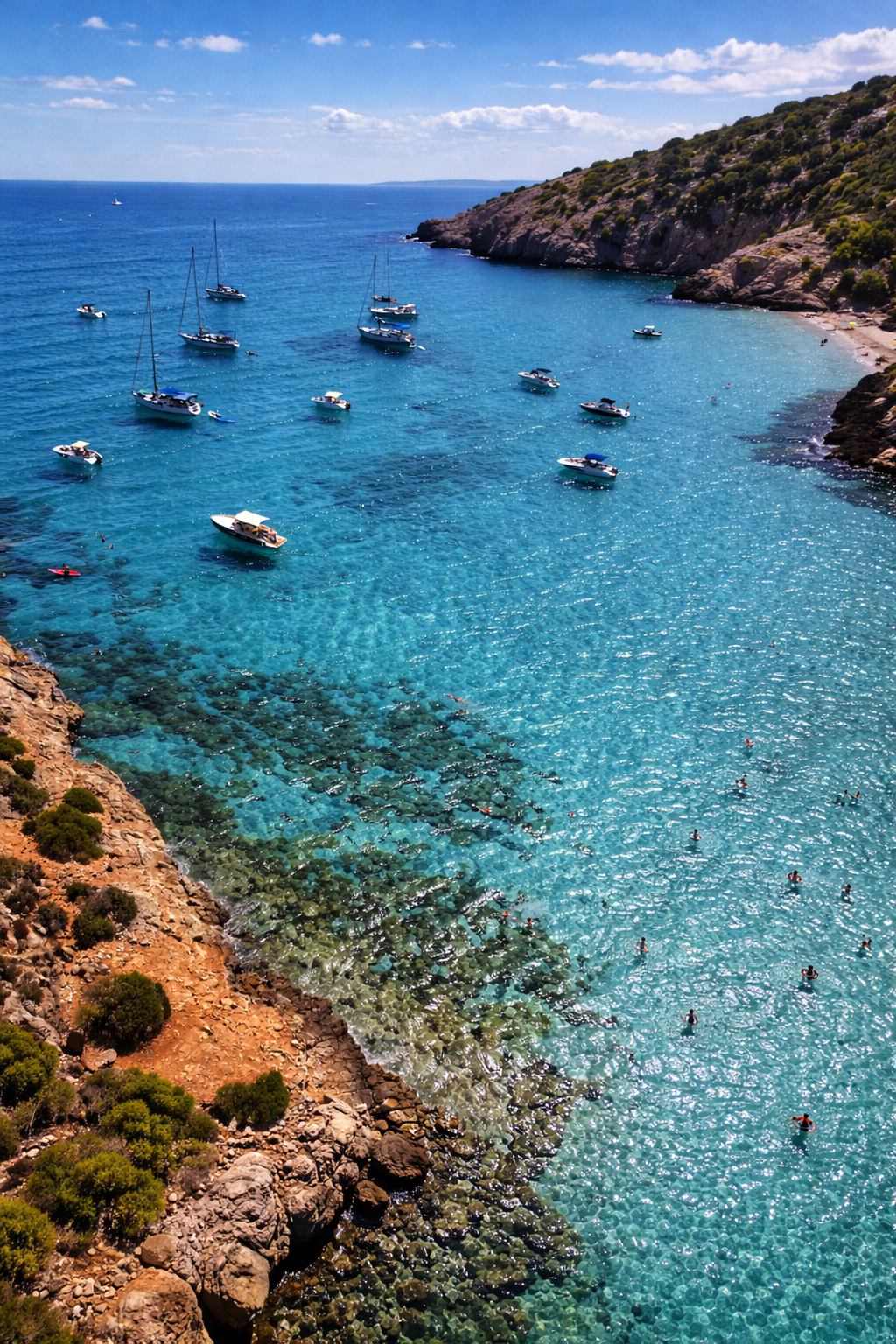
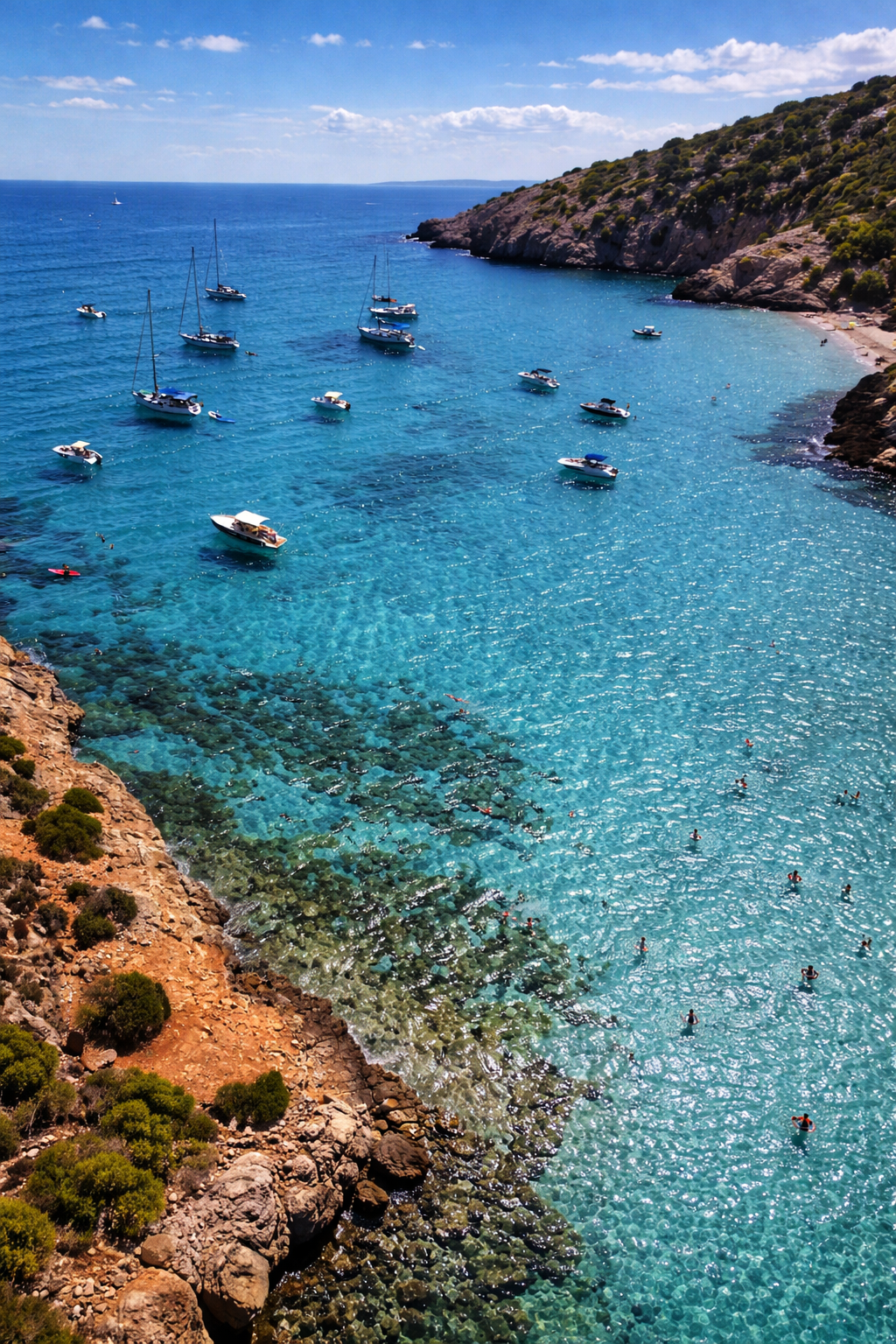
Natural Park Mondragó: Three stunning beaches
Mondragó Natural Park is one of beautiful wild coastal areas, located near Santanyí and Cala d’Or on the island’s southeast coast. Inside the reserve, visitors can discover three stunning beaches: Cala Mondragó, Cala des Borgit, and S’Amarador, all known for clear water and fine sand. One of the highlights is that the coves are very close to each other and can be reached on foot via scenic nature trails. The park offers several easy hiking routes with well-marked paths and panoramic coastal views. Mondragó Natural Park is a perfect destination for a day trip, combining beaches, nature walks, and unspoiled landscapes.
Where to stay: The nearby town of Cala d’Or offers a mix of elegant adults-only hotels and family-friendly resorts within 10–15 minutes.
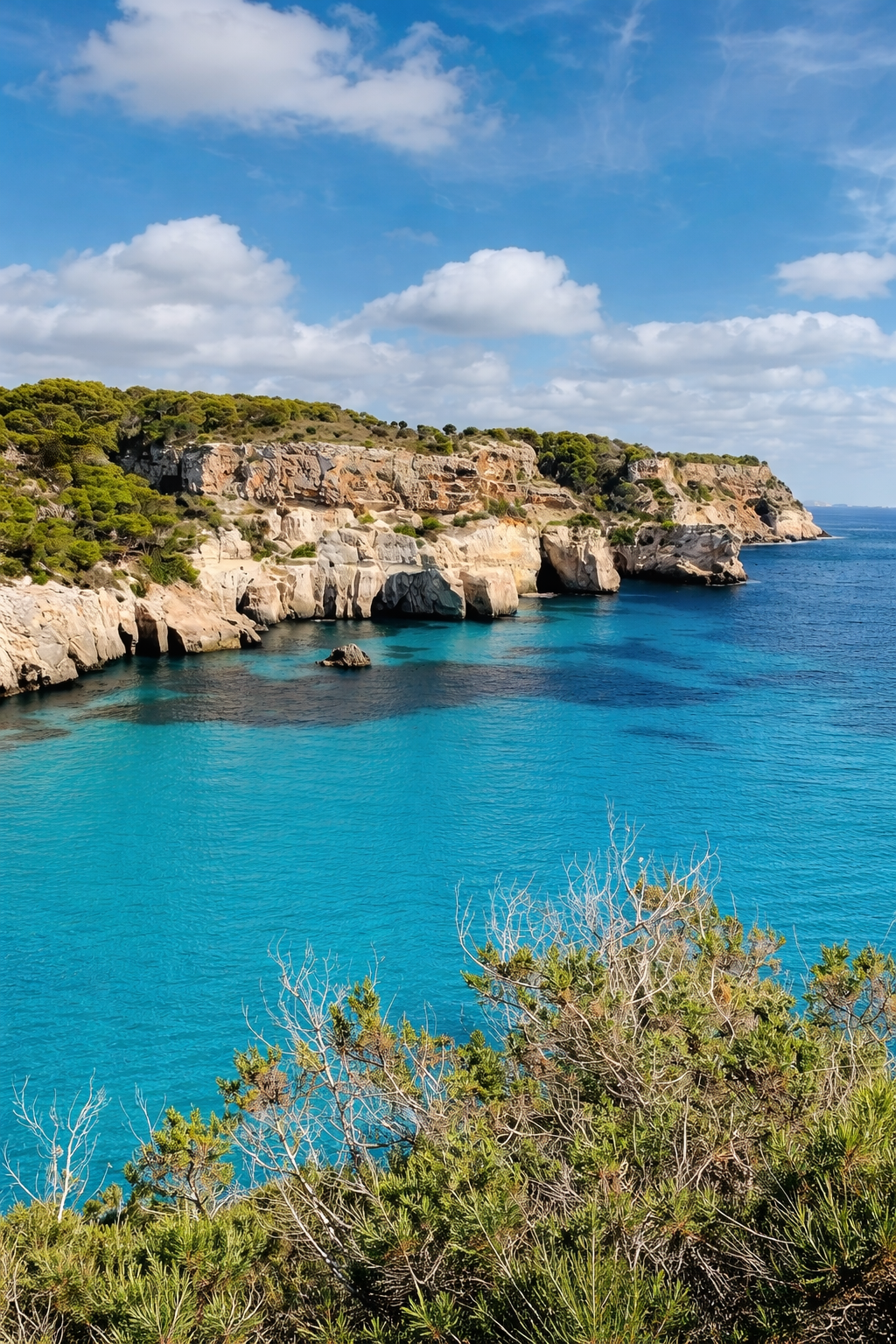
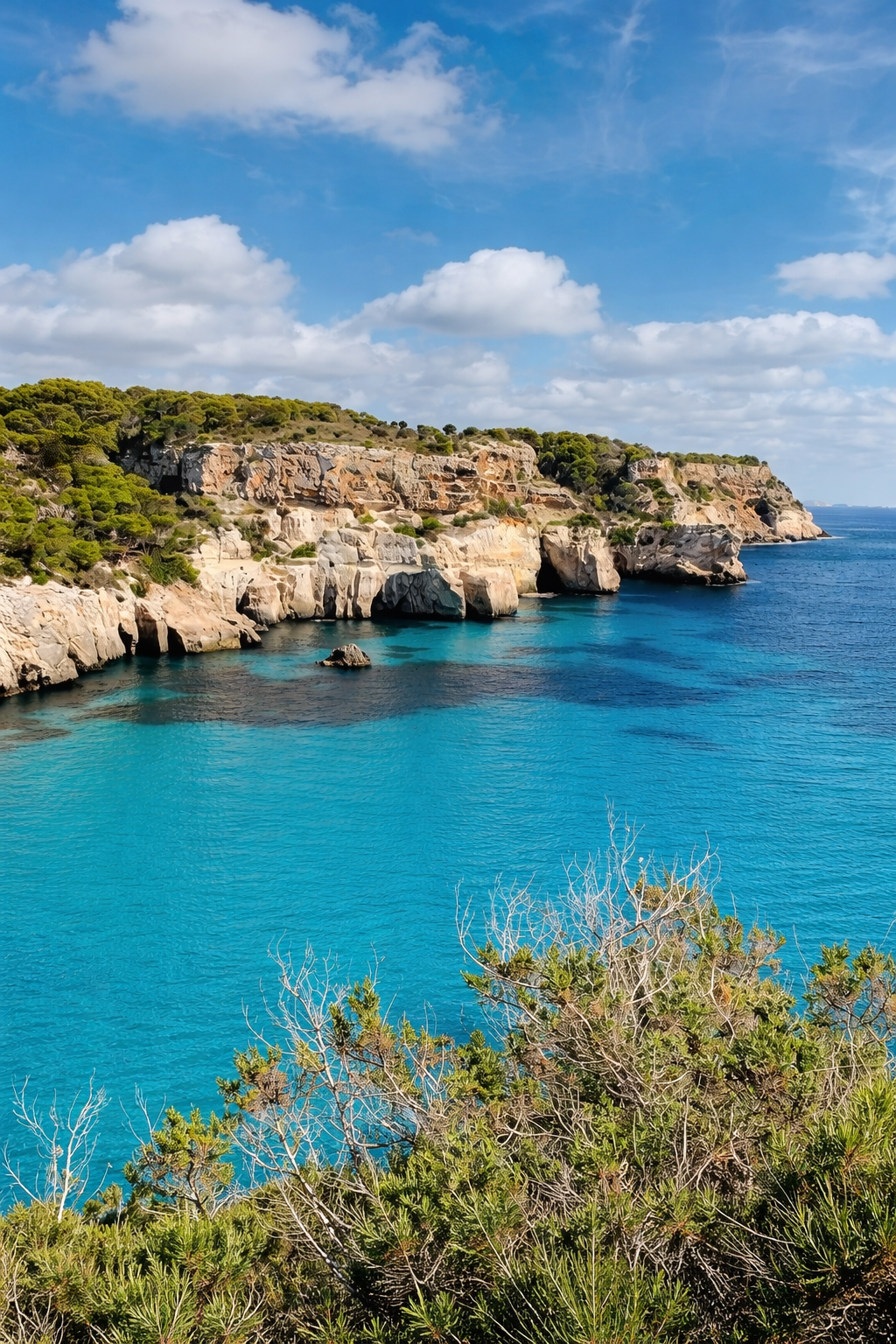
Caló des Moro – Dramatic & Iconic
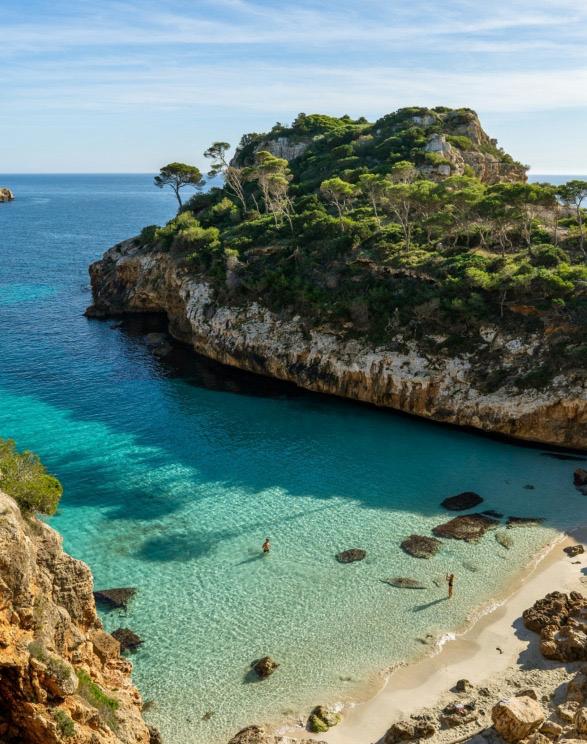
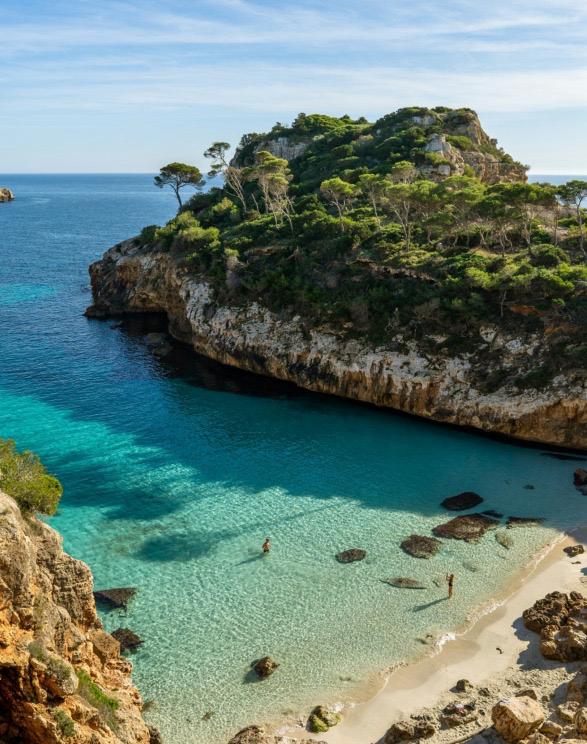
Few places in Mallorca are as visually striking as Caló des Moro. A narrow strip of sand sits between steep limestone walls, creating a natural amphitheatre of rock and water. The descent is steep and requires careful footing, but the reward is unforgettable scenery. In peak summer, arriving before mid-morning is essential. This is less a convenience beach and more an experience.
Alternative approach: Exploring this stretch of coastline by boat offers a quieter perspective — especially in high season.
Cala Figuera
Cala Figuera is a traditional fishing harbour rather than a classic beach, defined by narrow turquoise inlets and whitewashed houses perched above the water. Located near Santanyí in the southeast of Mallorca, it has retained an authentic, working-village atmosphere.
There is little space for sunbathing, but visitors come for the scenery — wooden llaüt boats, quiet waterfront paths, and uninterrupted sea views. Arriving in the late afternoon is especially rewarding, when the light softens and the harbour takes on a calm, cinematic glow.
Cala Anguilla
Cala Anguila is a stunning sandy cove on the east coast of Mallorca near Porto Cristo, known for its turquoise waters, fine white sand, and scenic Mediterranean surroundings.
It is great for snorkeling thanks to its rocky sides and clear waters, and it is also popular among more adventurous visitors for cliff jumping in safe conditions. Wearing suitable footwear is recommended, as sea urchins can be found on the rocks – a safer alternative is to swim back to the beach.
If you are traveling by car, the famous Drach Caves (Cuevas del Drach) are just about 10 minutes away, making it easy to combine a beach day with a visit to one of Mallorca’s most impressive natural attractions and cool down inside the caves.
Cala Romàntica
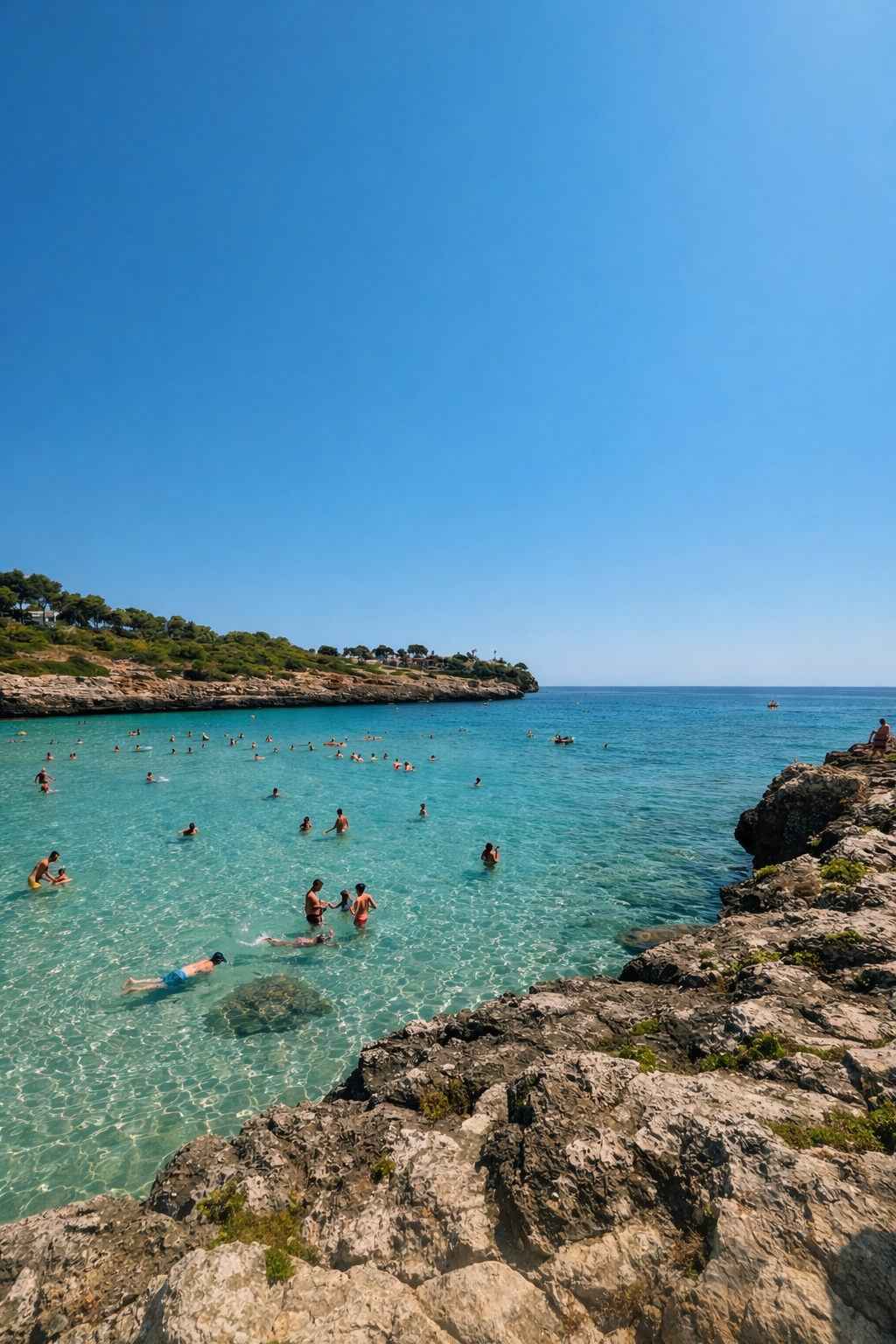
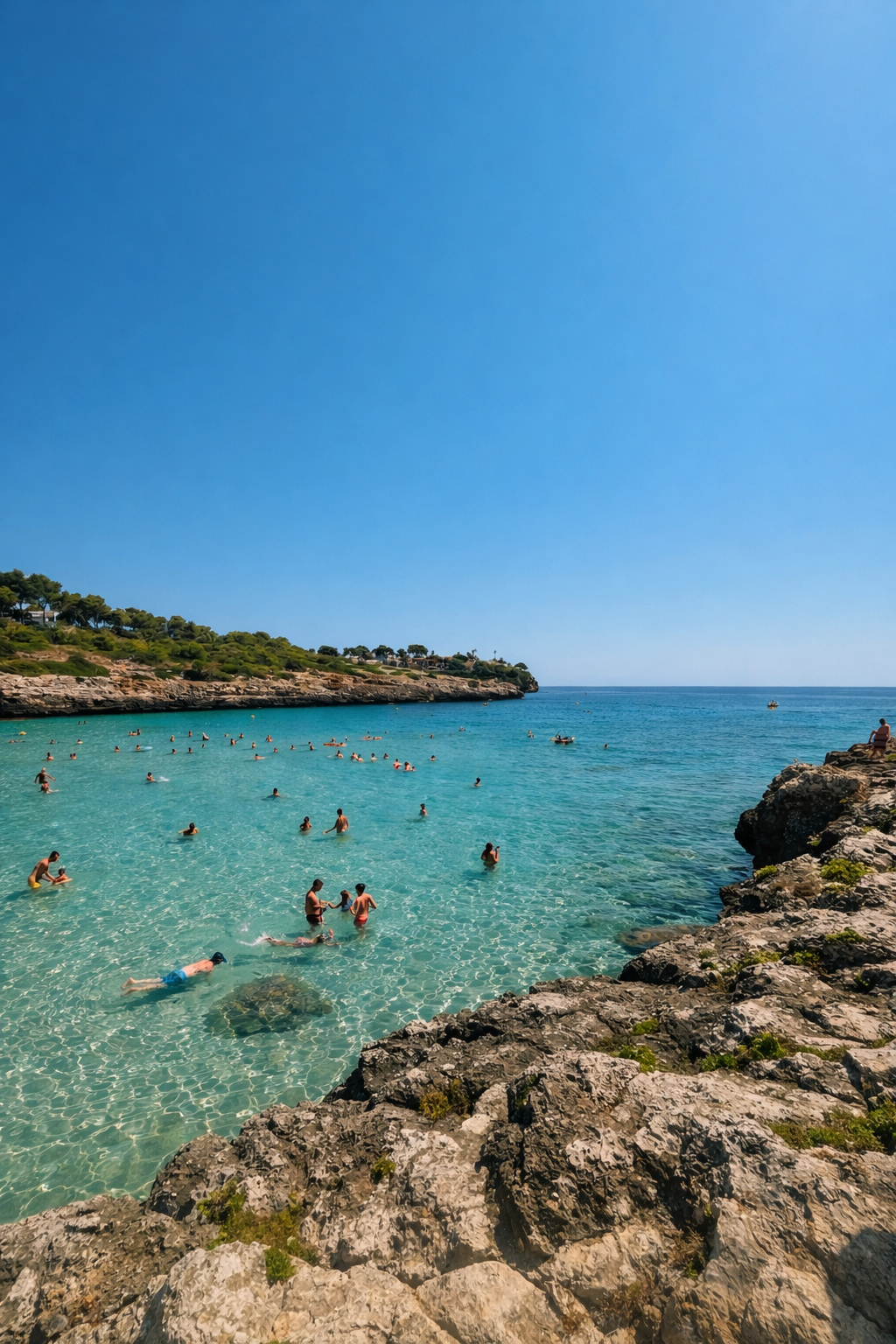
Cala Romàntica, also known as S’Estany d’en Mas, is one of Mallorca’s most beautiful and accessible beaches on the island’s east coast, near Porto Cristo. Unlike many hidden coves, Cala Romàntica is easy to reach and well-equipped, with sunbeds, parasols, a beach bar, and nearby restaurants.
The sheltered bay features soft golden sand and calm turquoise waters, ideal for swimming and relaxing.Thanks to its protected location, the sea is often gentle, making it a popular choice for families and couples.
A scenic path and staircase lead down to the beach, offering stunning panoramic views over the cove. The surrounding cliffs and pine trees create a peaceful Mediterranean setting with a resort-style atmosphere.
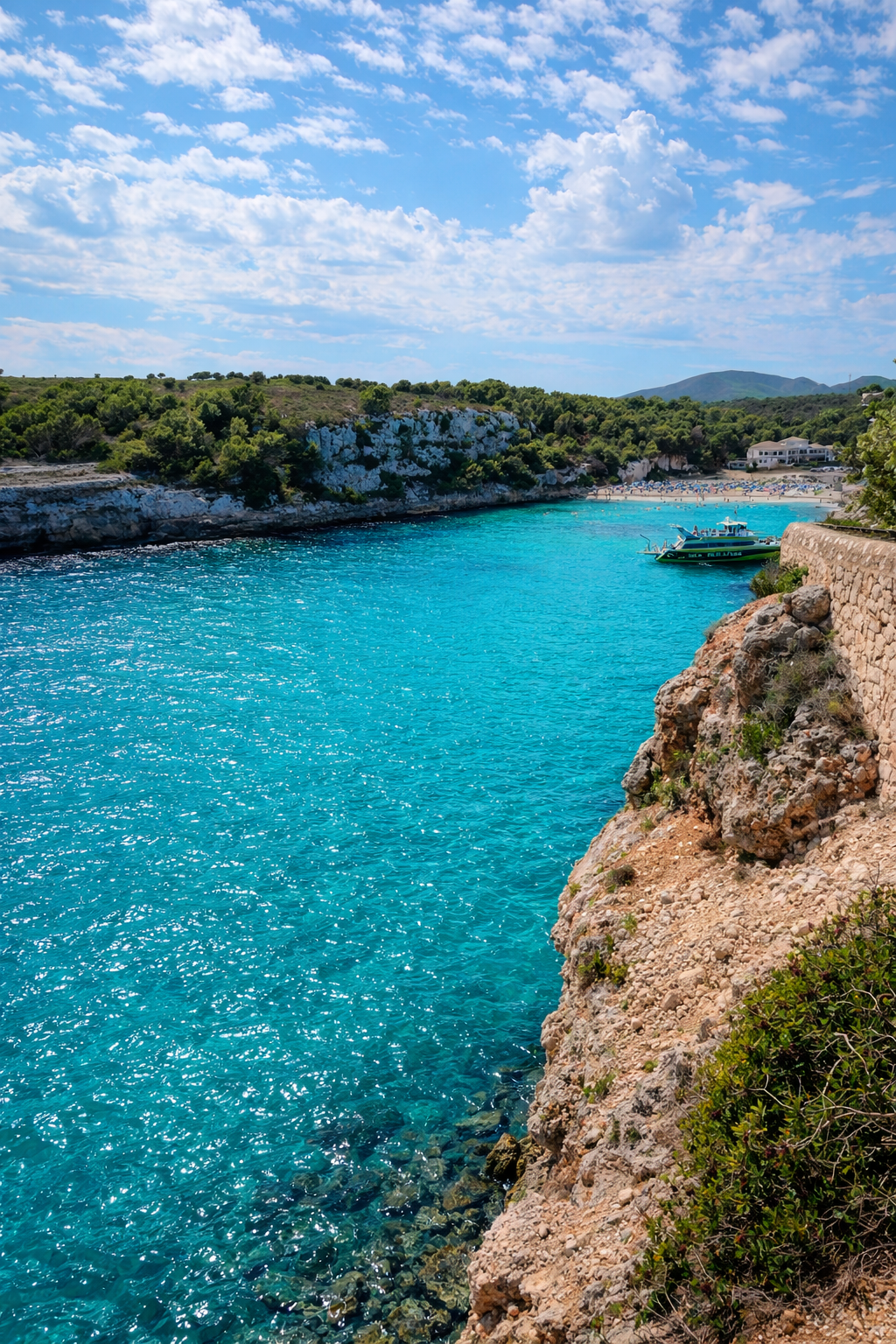
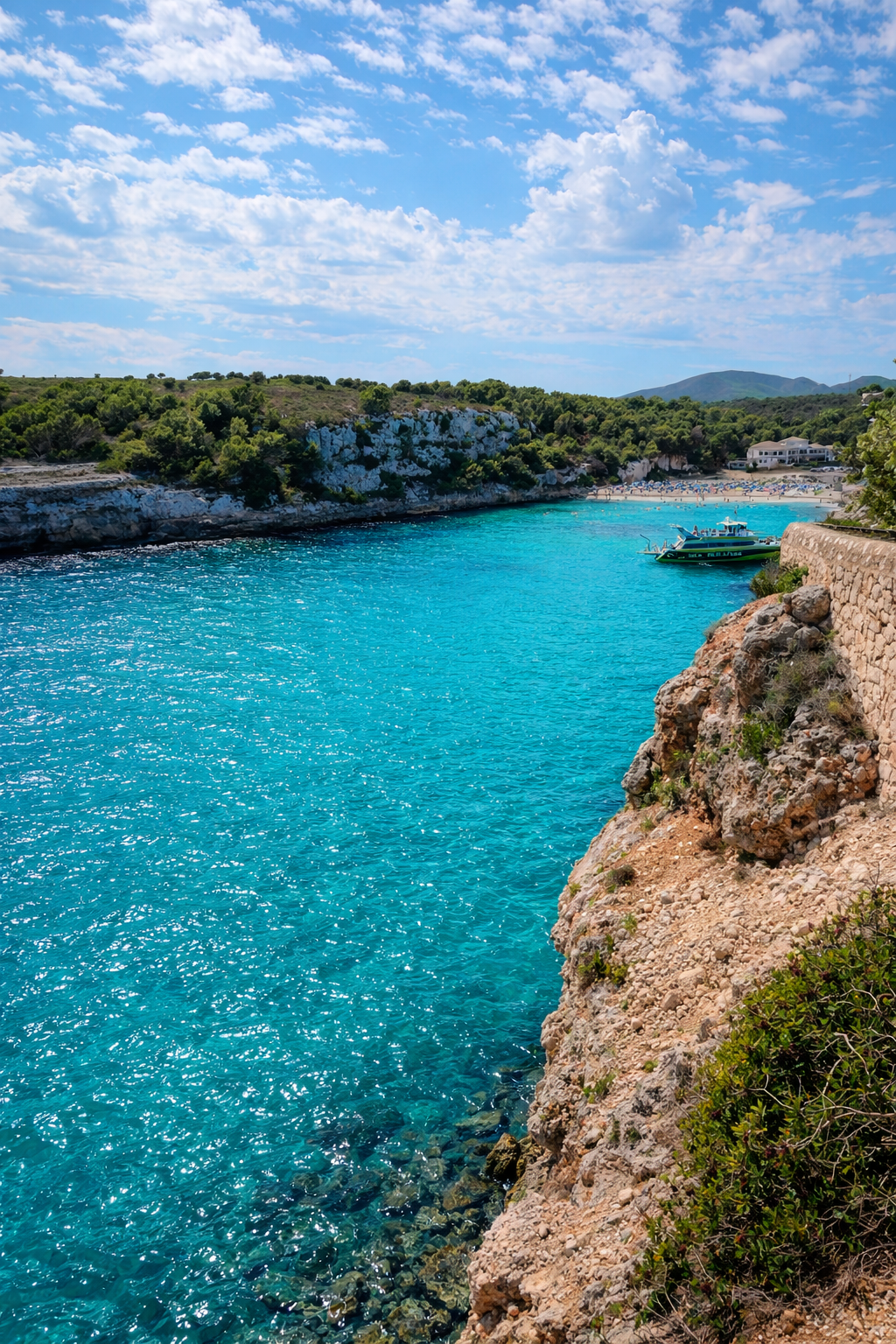
Cala Gran, Cala Esmeralda & Cala Ferrera – Effortless Coastal Living
Around Cala d’Or, beach life becomes wonderfully simple. These three coves sit directly within the resort area, meaning most accommodations are within a short walk — ideal if you prefer not to rent a car.
Cala Gran is the easiest for families, with shallow water, seasonal lifeguards and full facilities, but it fills up quickly in July and August, so arriving before 10:30 am makes a noticeable difference.
Cala Esmeralda is smaller and more scenic, with particularly clear water that’s good for light snorkeling, though shade is limited outside the sunbed area.
Cala Ferrera tends to feel slightly less crowded and is practical for longer beach days thanks to nearby supermarkets, cafés and easy road access.
All three are sandy rather than rocky, the water is typically calm, and sea conditions are generally safe unless there are strong winds from the east. For shorter stays or travellers who prioritise walkability and infrastructure over remote landscapes, this is one of the most convenient bases in East Mallorca.
When to Visit & How to Plan Your Days
Late spring and early autumn are often the most rewarding months along the east coast. May, June and September bring warm sea temperatures with fewer visitors, allowing the smaller coves to feel more relaxed.
During July and August, arriving before mid-morning becomes essential, particularly at compact beaches such as Caló des Moro.
If you plan to explore more than one cove in a day, renting a car makes a noticeable difference. Public transport does not reach many of the smaller bays.
Snorkeling is especially rewarding at Cala Varques and Caló des Moro, where rocky edges create natural underwater habitats.