When to Visit Mallorca — Best Time of Year
Find the best time to visit Mallorca, season by season: weather, crowds and what's open, plus a tool to pick your perfect month.
Updated: October 2026
Mallorca is a year-round destination, but the experience you will have on the island can vary dramatically depending on when you visit. Understanding the seasonal differences can help you plan a trip that perfectly matches your expectations, whether you are seeking lively nightlife, outdoor adventure, cultural exploration, or quiet relaxation by the sea.
Spring — When the Island Wakes Up
Between March and May, Mallorca slowly shakes off winter. Temperatures climb from around 15°C to 25°C, the days get longer, and the rain fades. For us, it's one of the best times to be outside, perfect for hiking, cycling and sightseeing without melting in the heat.
After the winter rains, the island turns surprisingly green and the countryside starts to bloom. If you arrive early in the season, you might even catch the last of the almond blossoms, which usually cover the fields between late January and February.
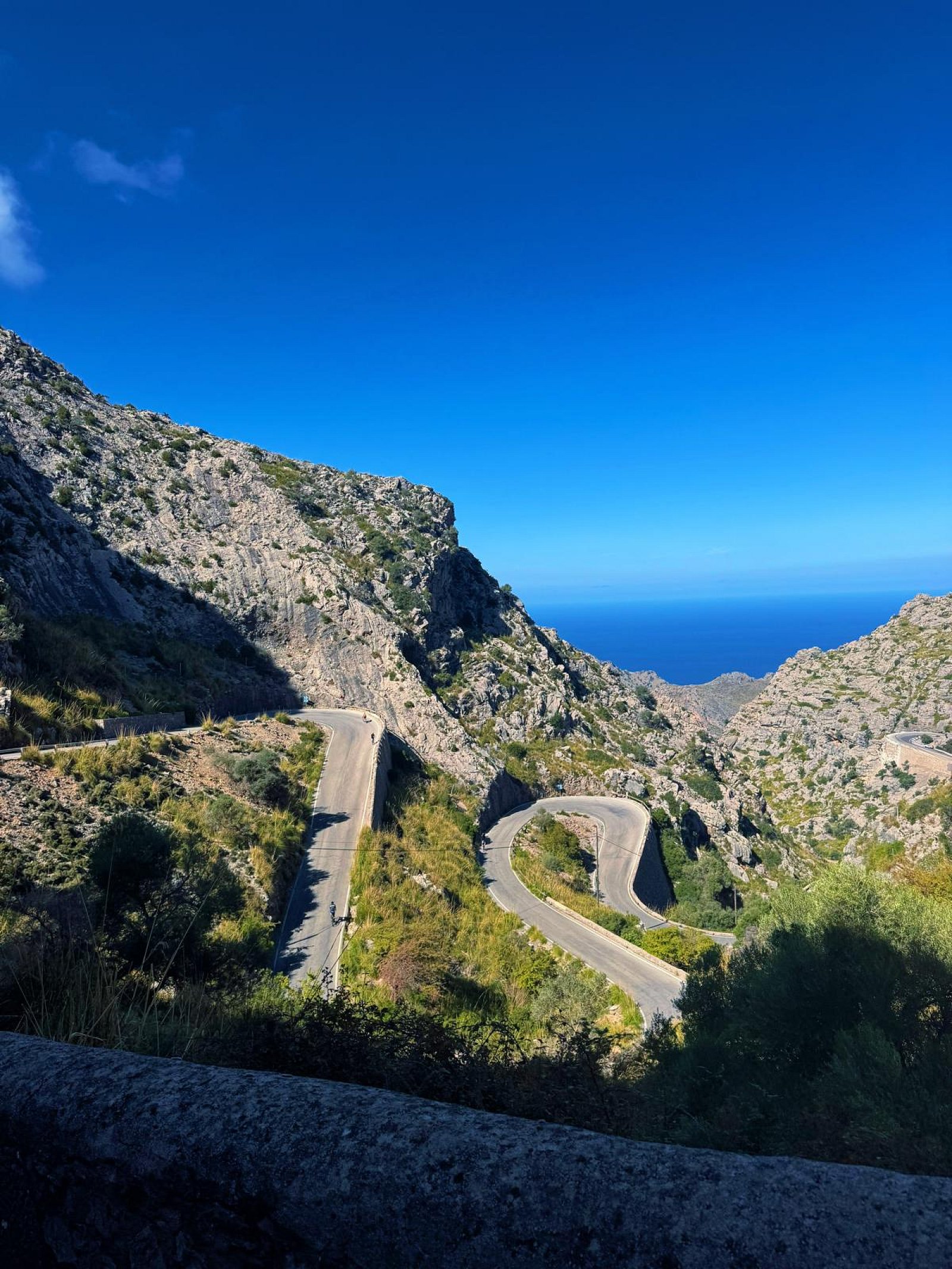
It's also the moment to see the Serra de Tramuntana villages, coastal viewpoints and historic towns before the summer crowds arrive. Beaches are still calm, and accommodation is often cheaper than in peak season.
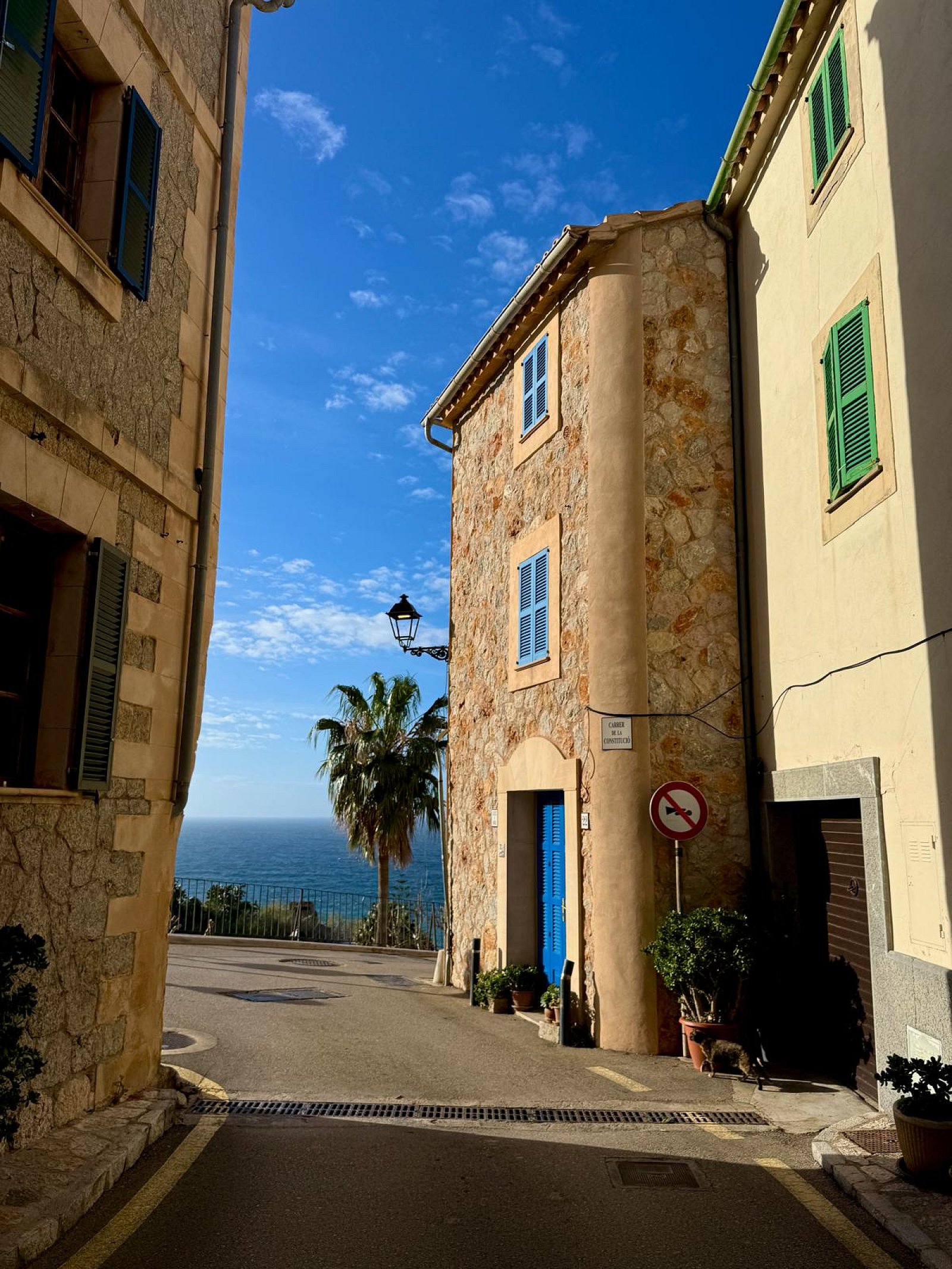
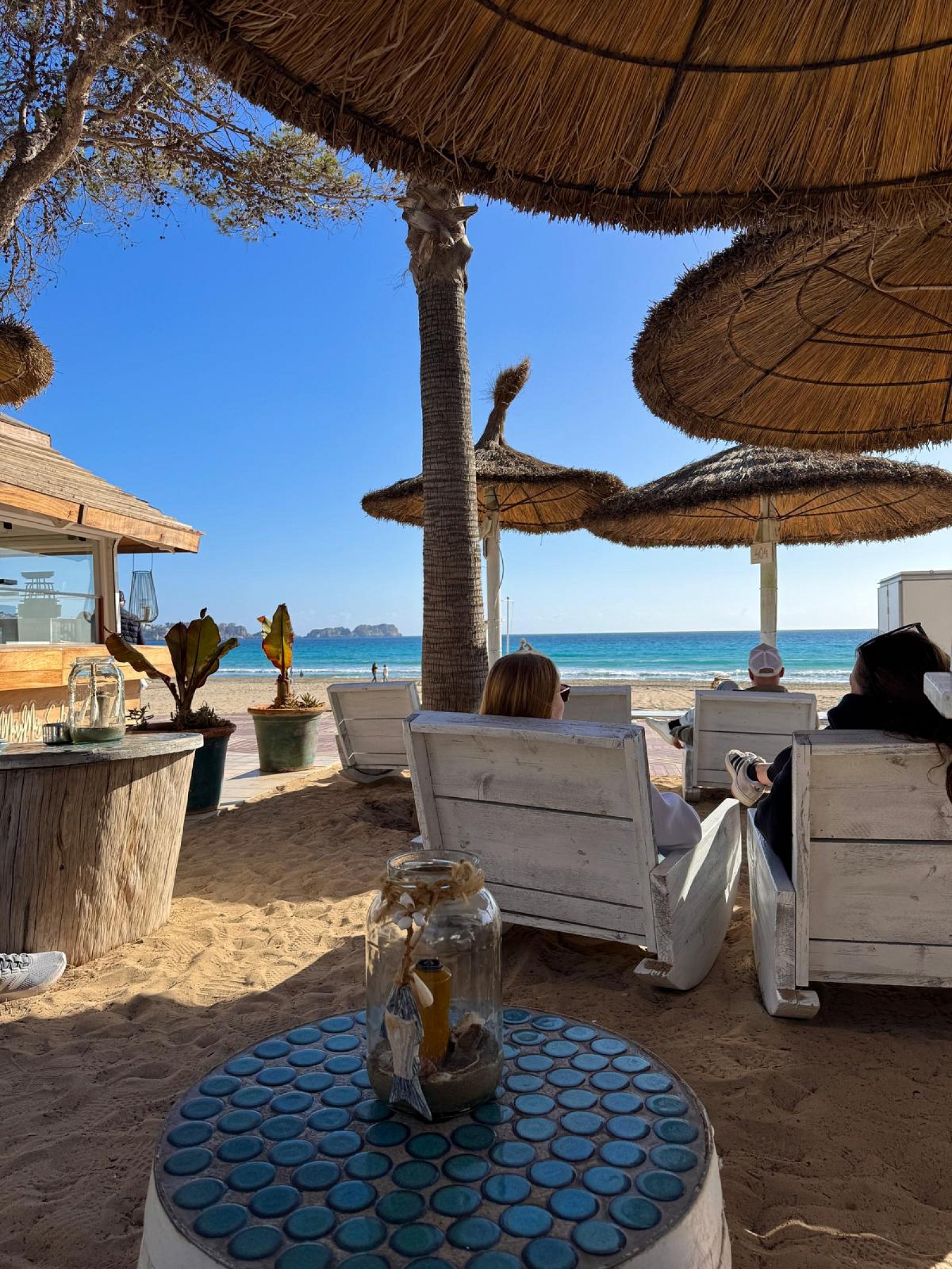
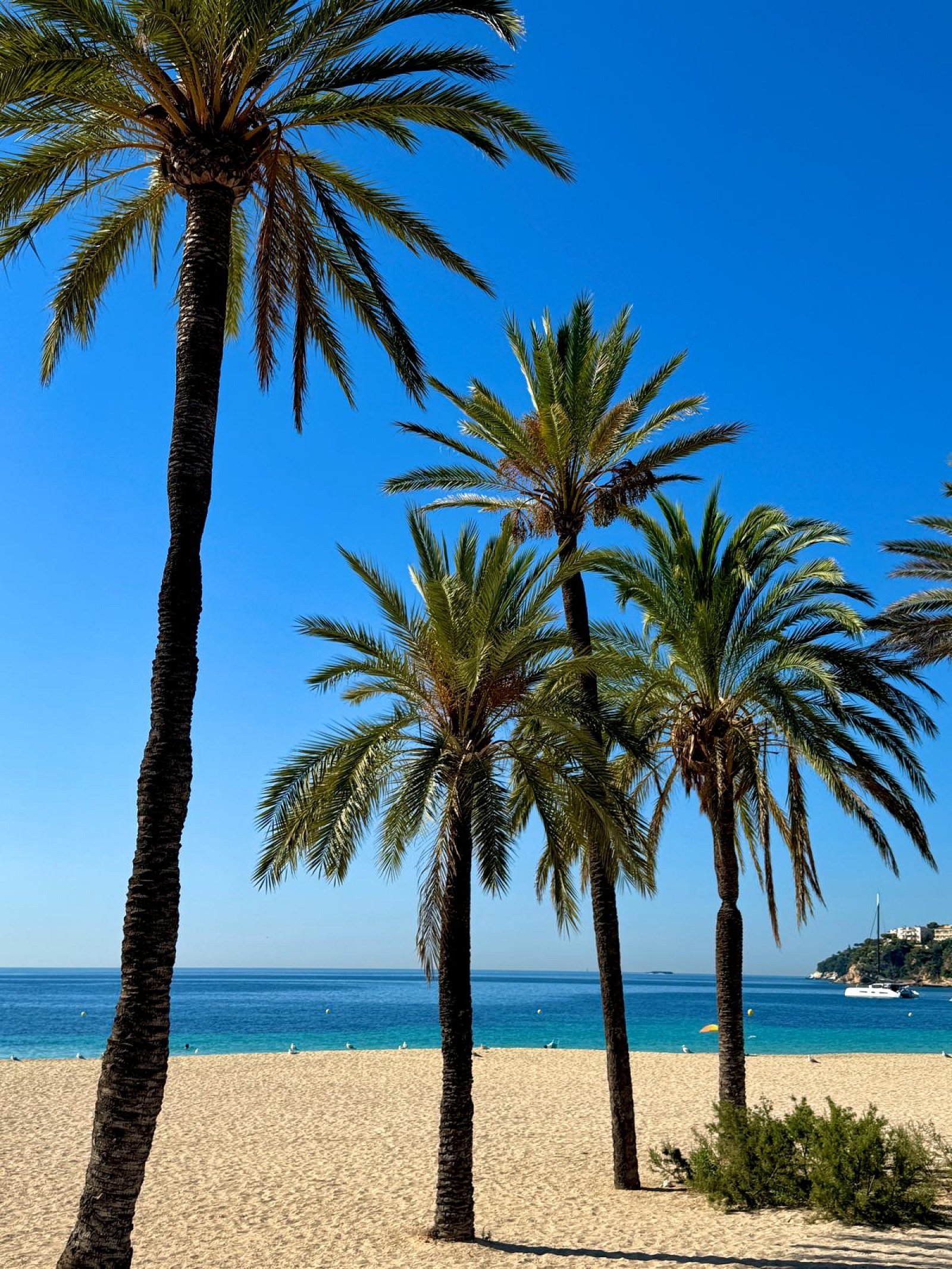
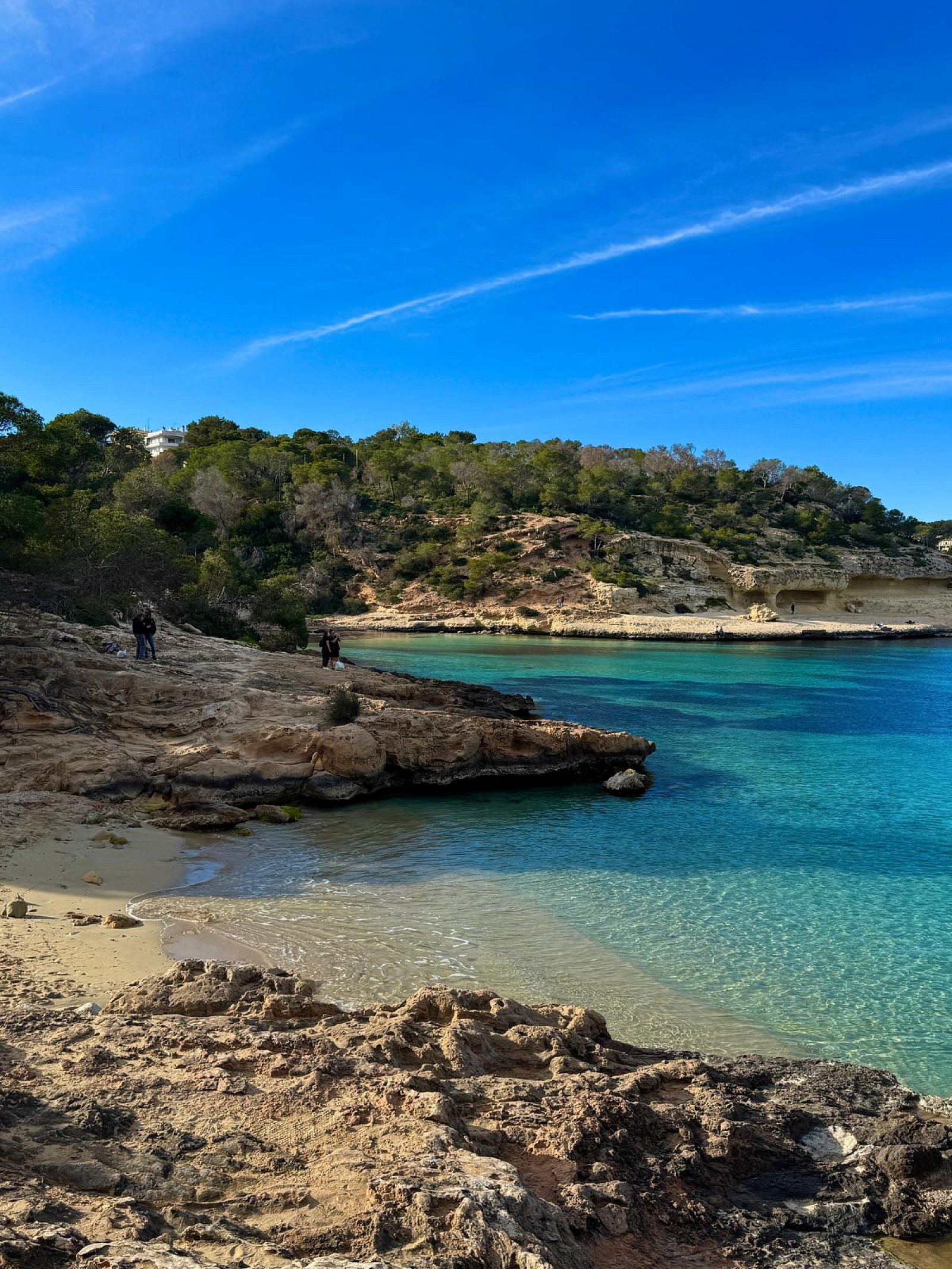
Summer — Eurosummer, Unfiltered
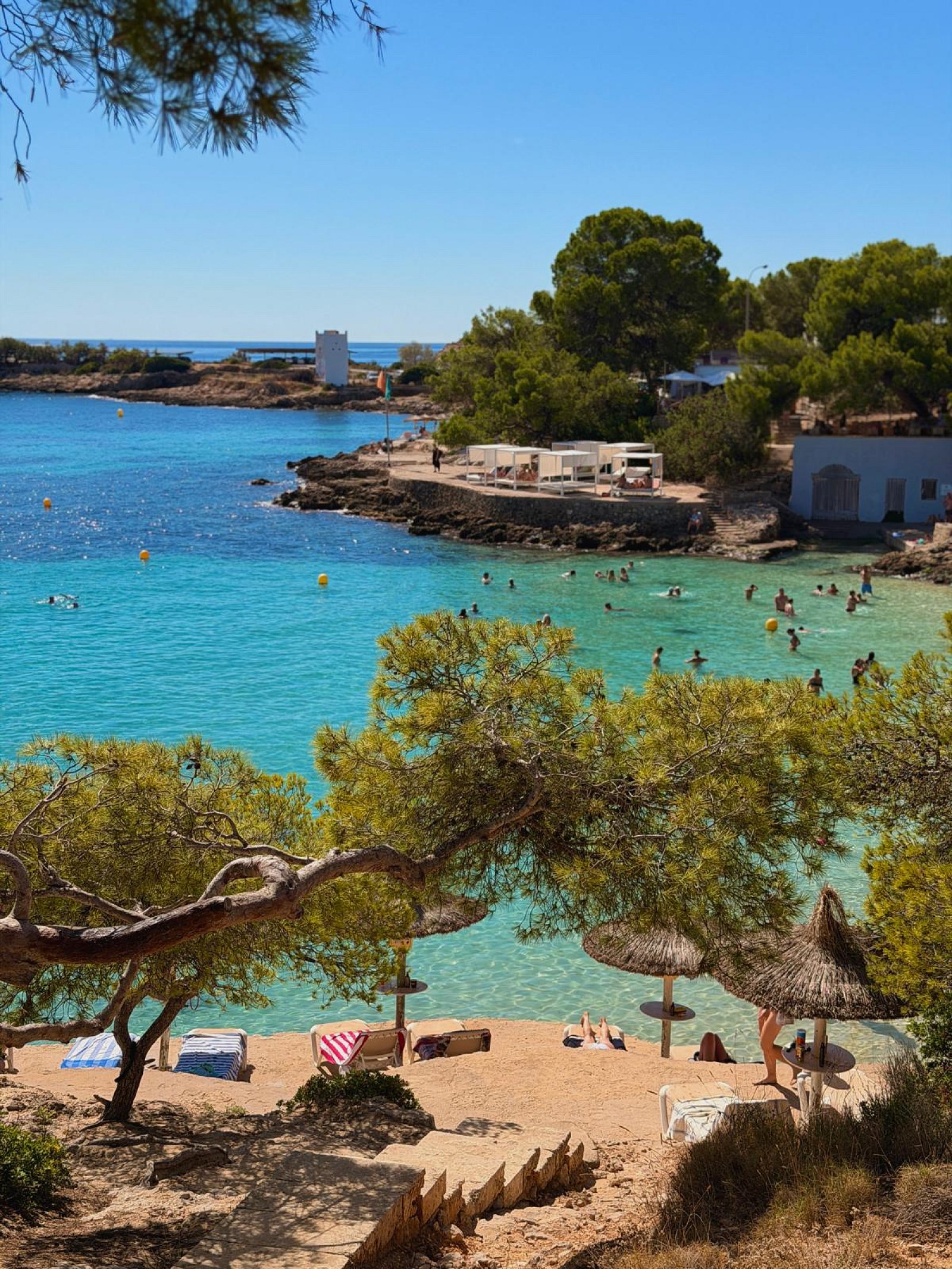
June, July and August are Mallorca's hottest and busiest months. It's properly hot: most days are around 30°C, but during heatwaves it can climb close to 40°C. What might surprise you most is the humidity, which often reaches 70–80%, even at night, so the evenings stay warm and sticky.
Cooling down without air conditioning is really hard, so make sure your accommodation and rental car have AC. And honestly? Skip the convertible in summer, you'll thank us later.
The good news? The sea gets so warm that many people go swimming even at night.
The downside: it's high season, so flights and hotels cost more and the best-known beaches get crowded. Planning your budget? Use our trip cost calculator to see what your holiday might cost. Book your hotel, car and activities early, and head to the beach before 10am to enjoy it before the crowds arrive.
Our tip: to see what the weather is really doing right now, we use Ventusky.
Check temperature, humidity ,wind and possible rain before planning your day.
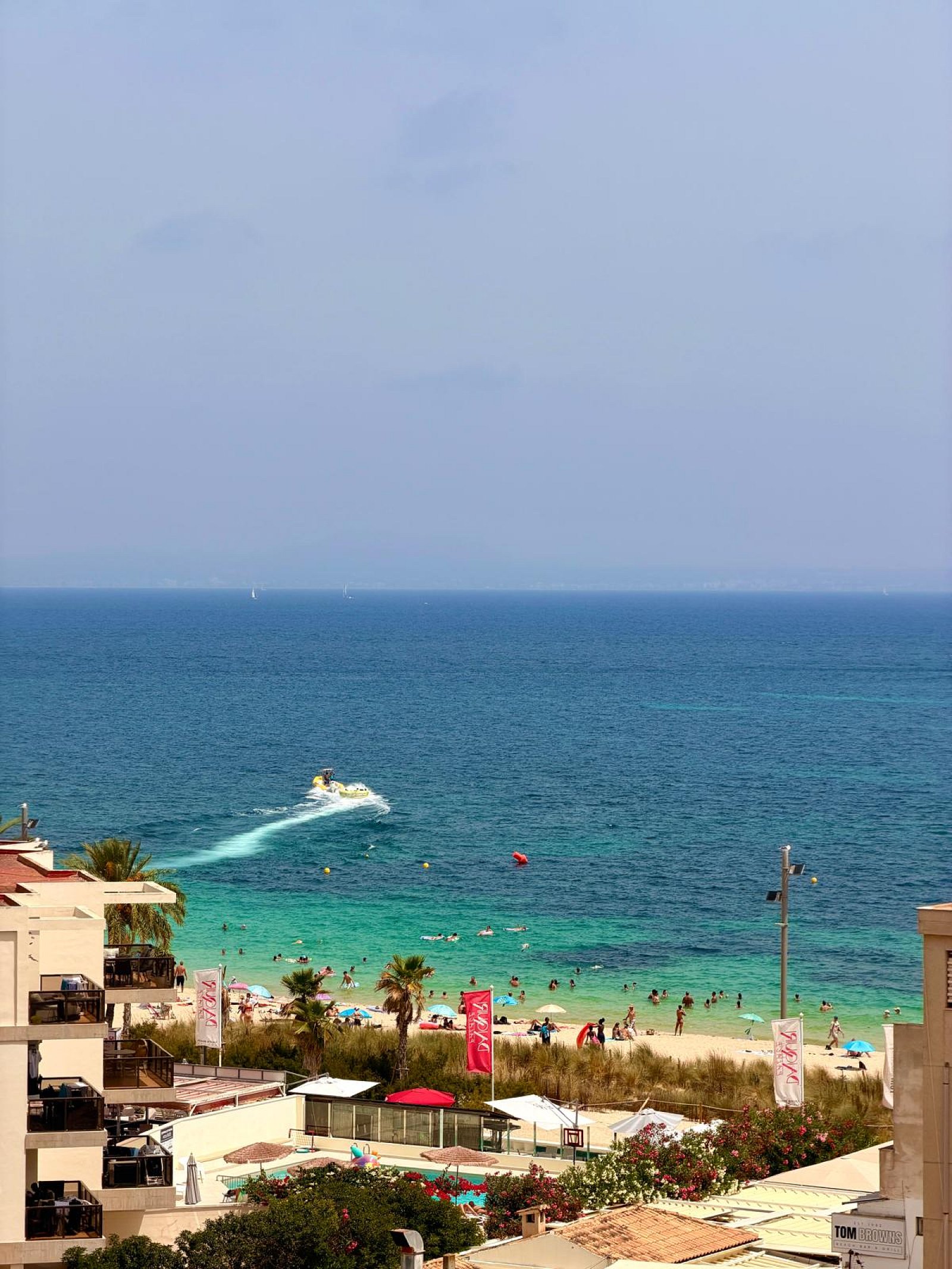
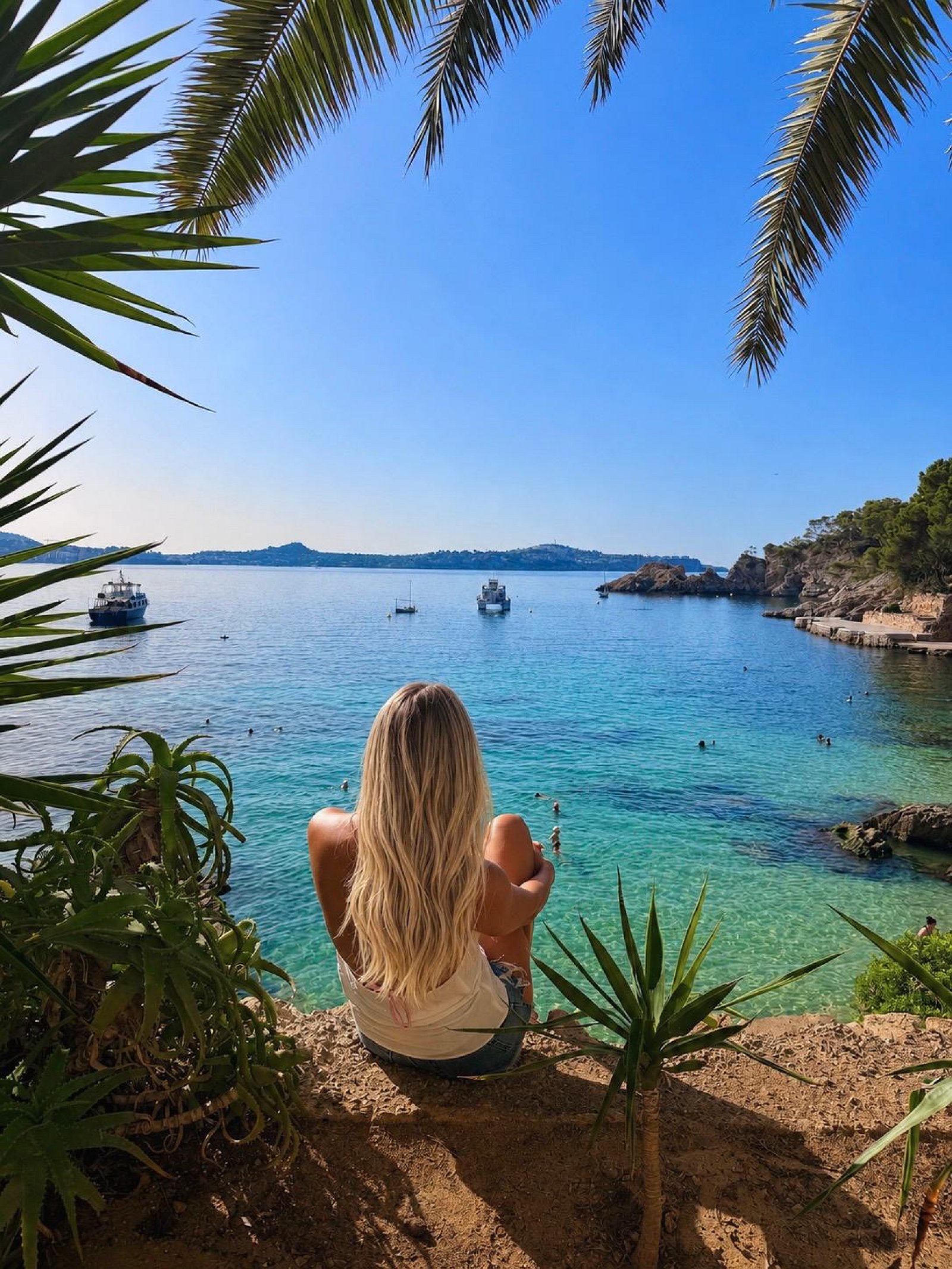
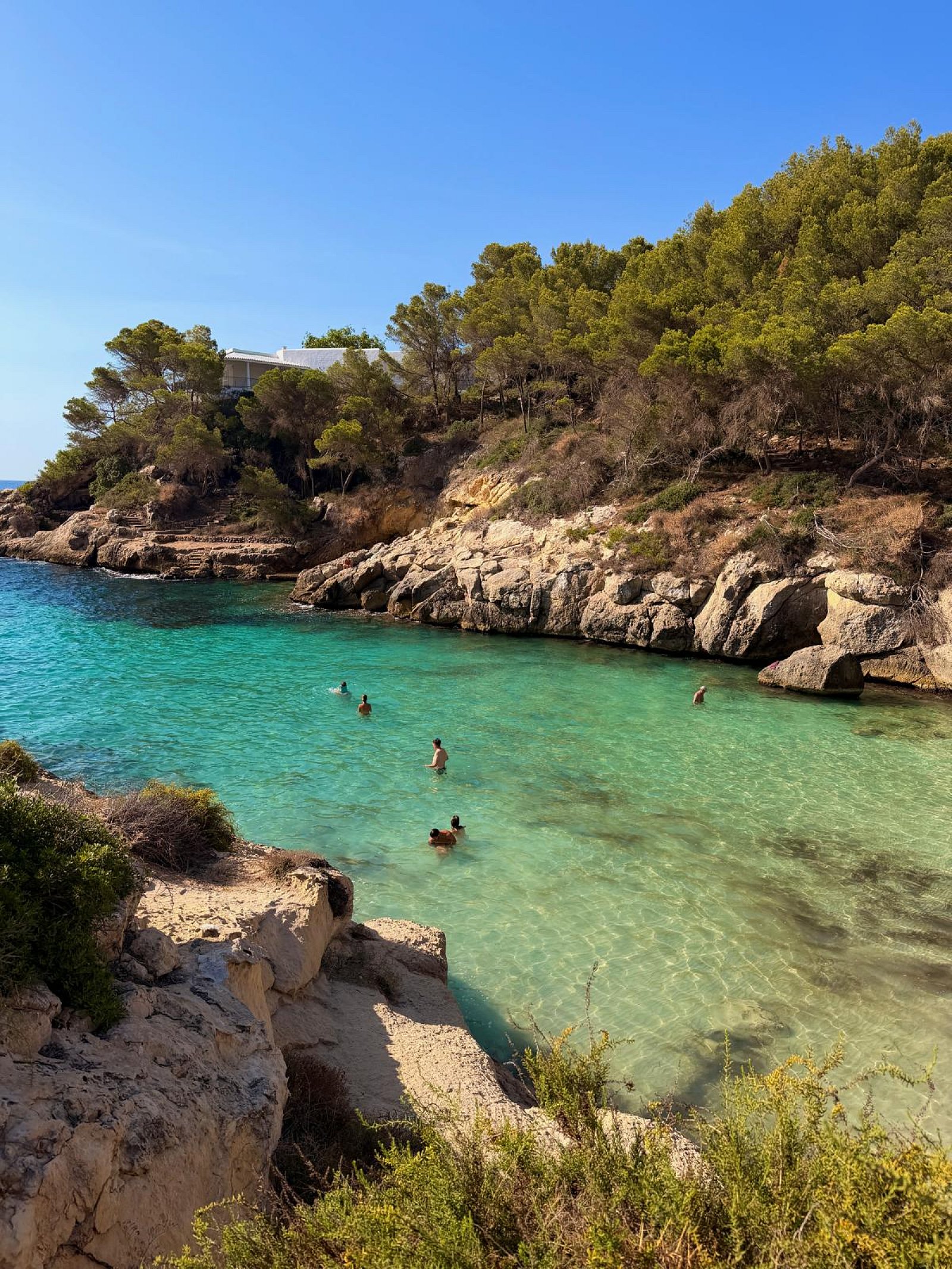
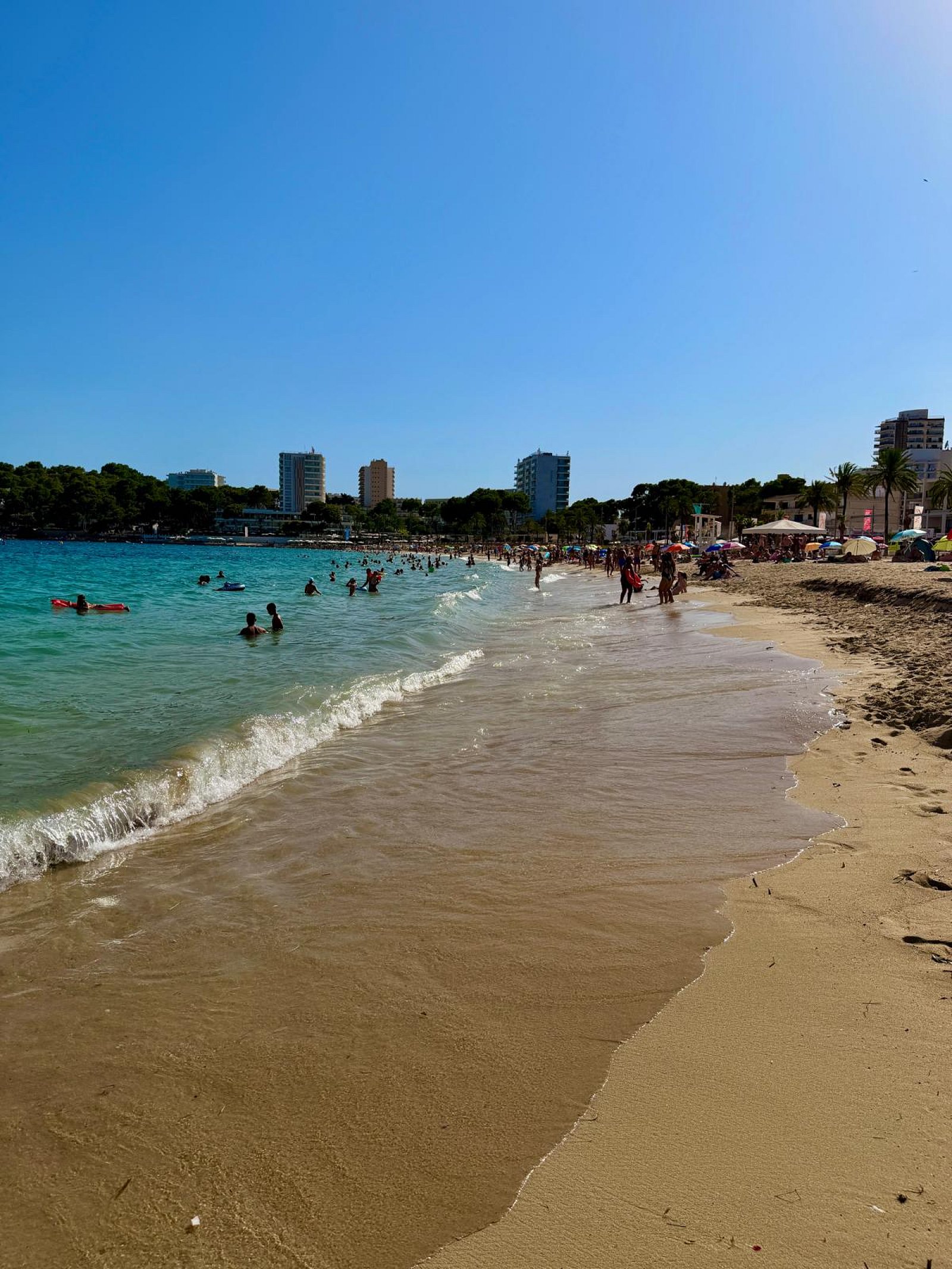

What's Mallorca Like Right Now?
Before you book, scroll our latest Instagram posts and see what the island looks like today.
Autumn - Forget Everything You Know About Autumn
Here autumn isn't like in the rest of Europe, it starts very late, around the end of October. September is still high season: busy beaches and around 30°C, but the air is no longer as humid and the sea is at its warmest. That's why, weather-wise, we think it's the best time of the year.
October is our top month. Still beach days, around 23°C, and you won't need warm clothes, just a light layer for the evening or for the odd rainy day, when the weather can change quickly.
Don't miss the local festivals: the Festes del Rei en Jaume in Santa Ponsa (early September), with a Moors and Christians battle ending on the beach at dusk, the Festa des Vermar grape harvest in Binissalem (September) and the autumn fairs in Inca (from mid-October). It's also harvest season, perfect for a wine tour and tasting.
Winter — Sunshine You'll Miss Back Home
Winter days are mild, around 14–16°C, often sunny, but don't be fooled: the humidity makes evenings feel much colder than the numbers suggest, so bring a warm coat for the night.
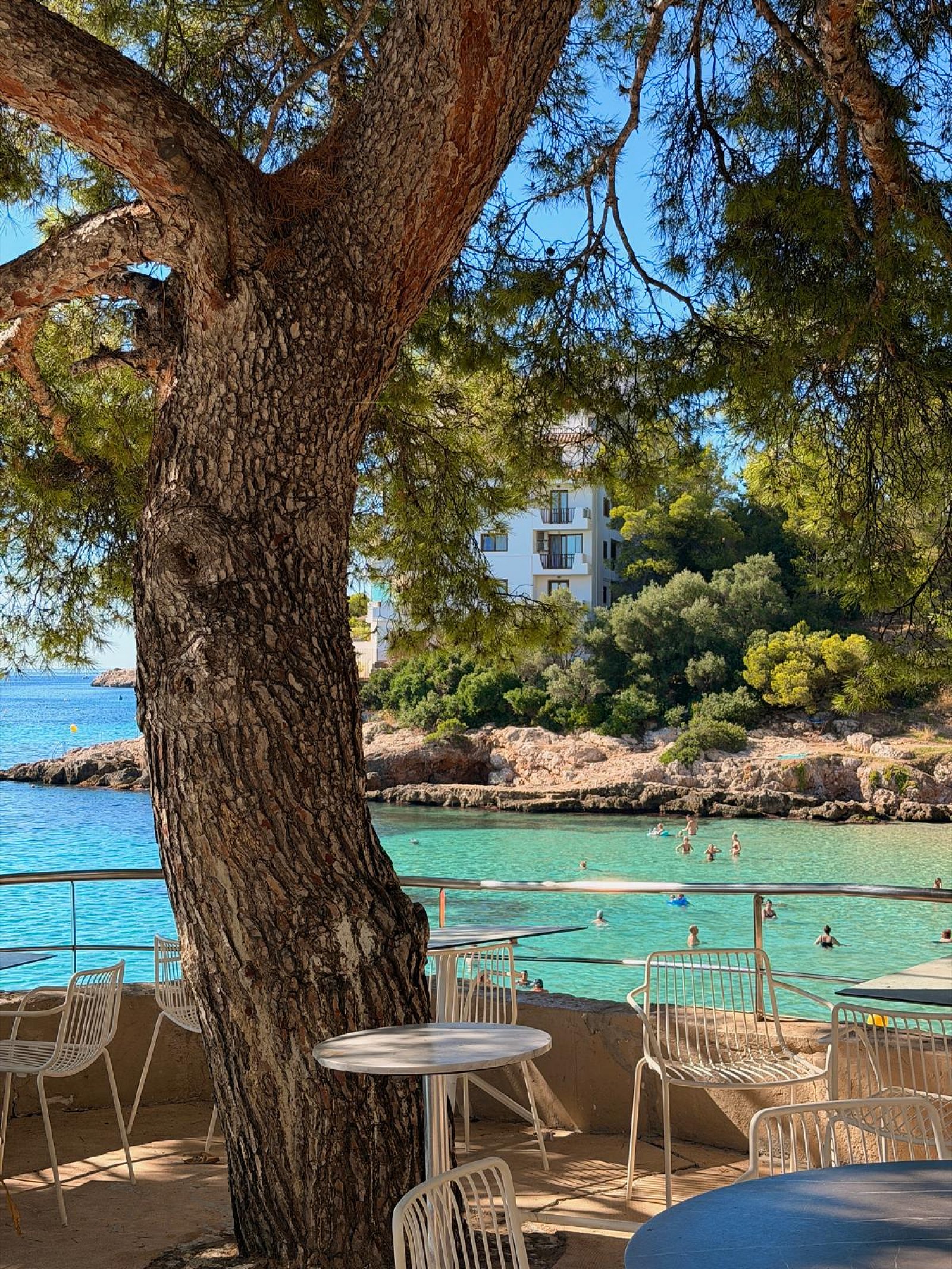
Our favourite part? Long lunches and coffee in the midday sun on a terrace by the sea.
Palma stays lively all year, so we'd recommend basing yourself in Palma and taking day trips around the island. Bonus: flights are usually much cheaper in winter.
And if you’re visiting over Christmas, the markets in Palma's old town feel magical with the sea just around the corner. But the real heart of winter is Sant Antoni (16–17 January), one of Mallorca's oldest traditions: huge bonfires, dancing "dimonis" (devils), grilled sausages and local wine, and the next day, animals are blessed in the village squares. Pure Mallorca.
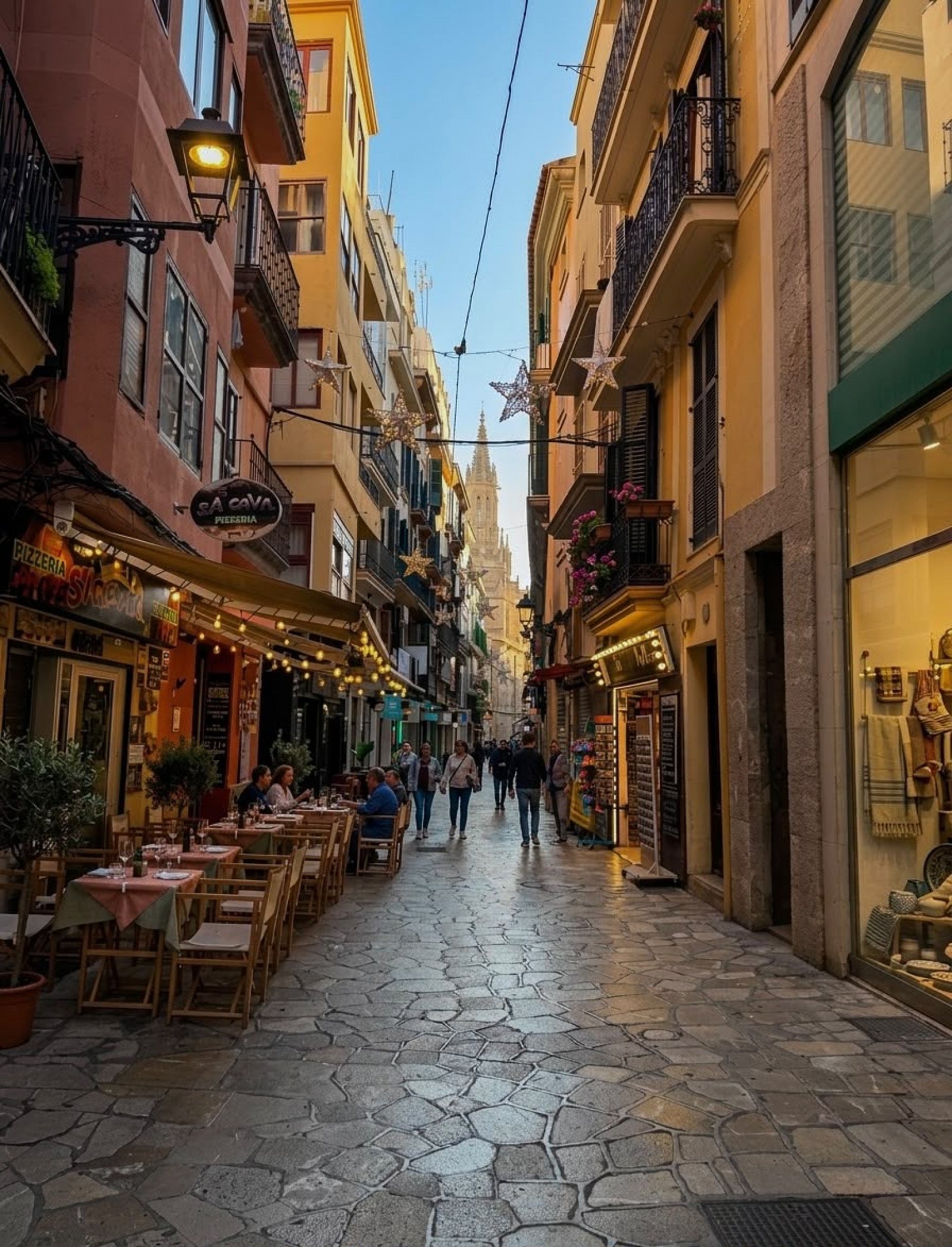
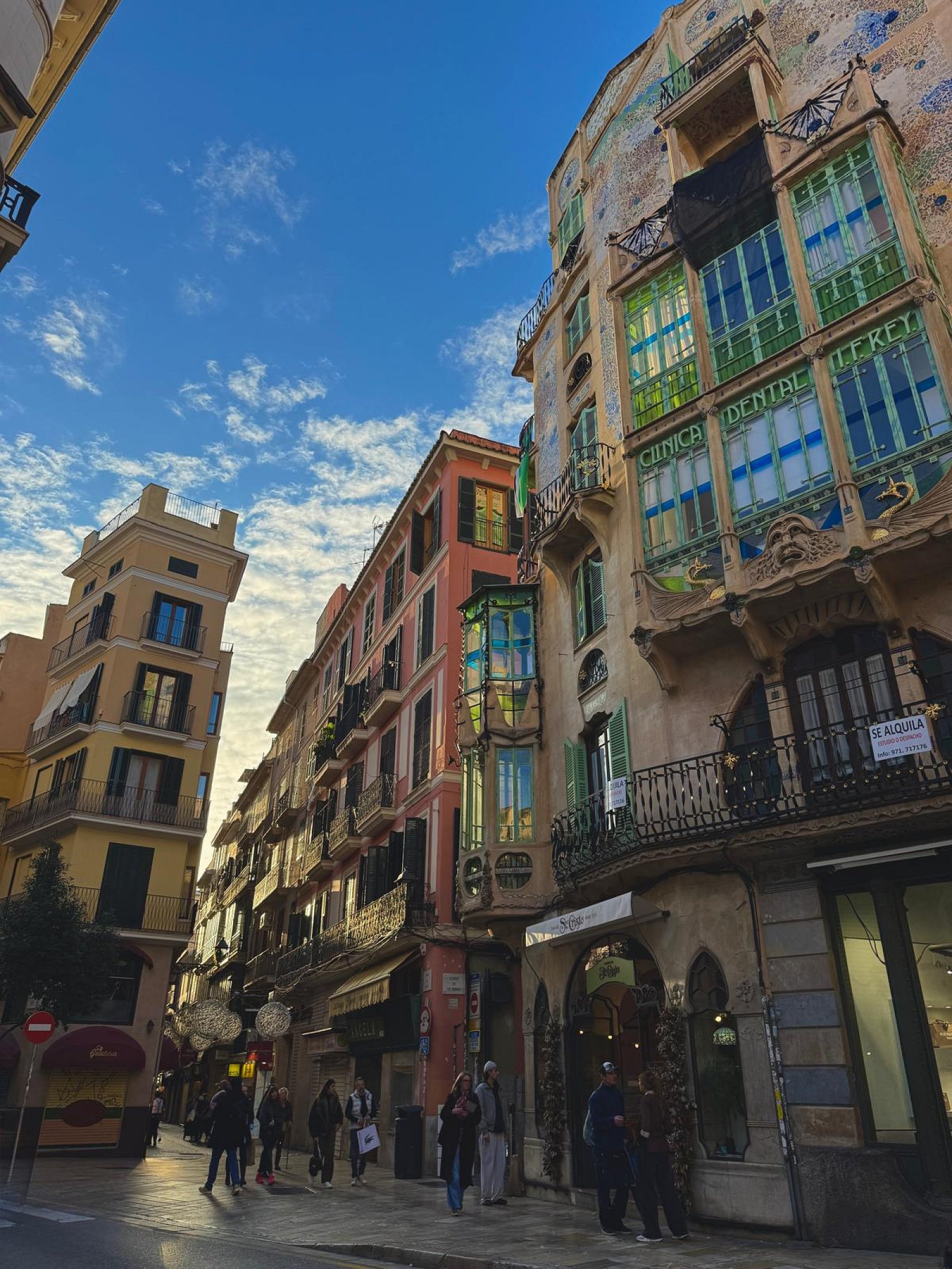
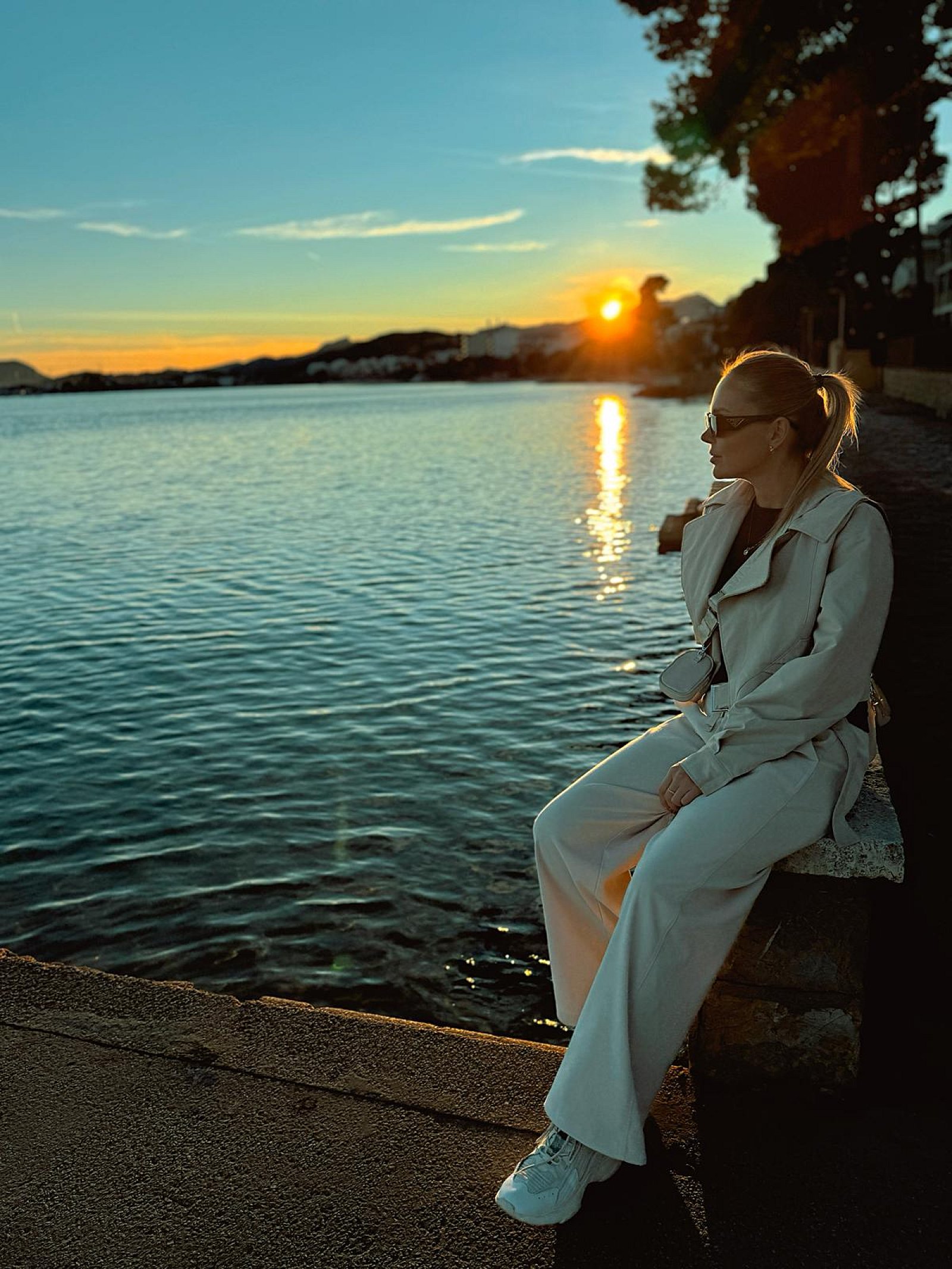
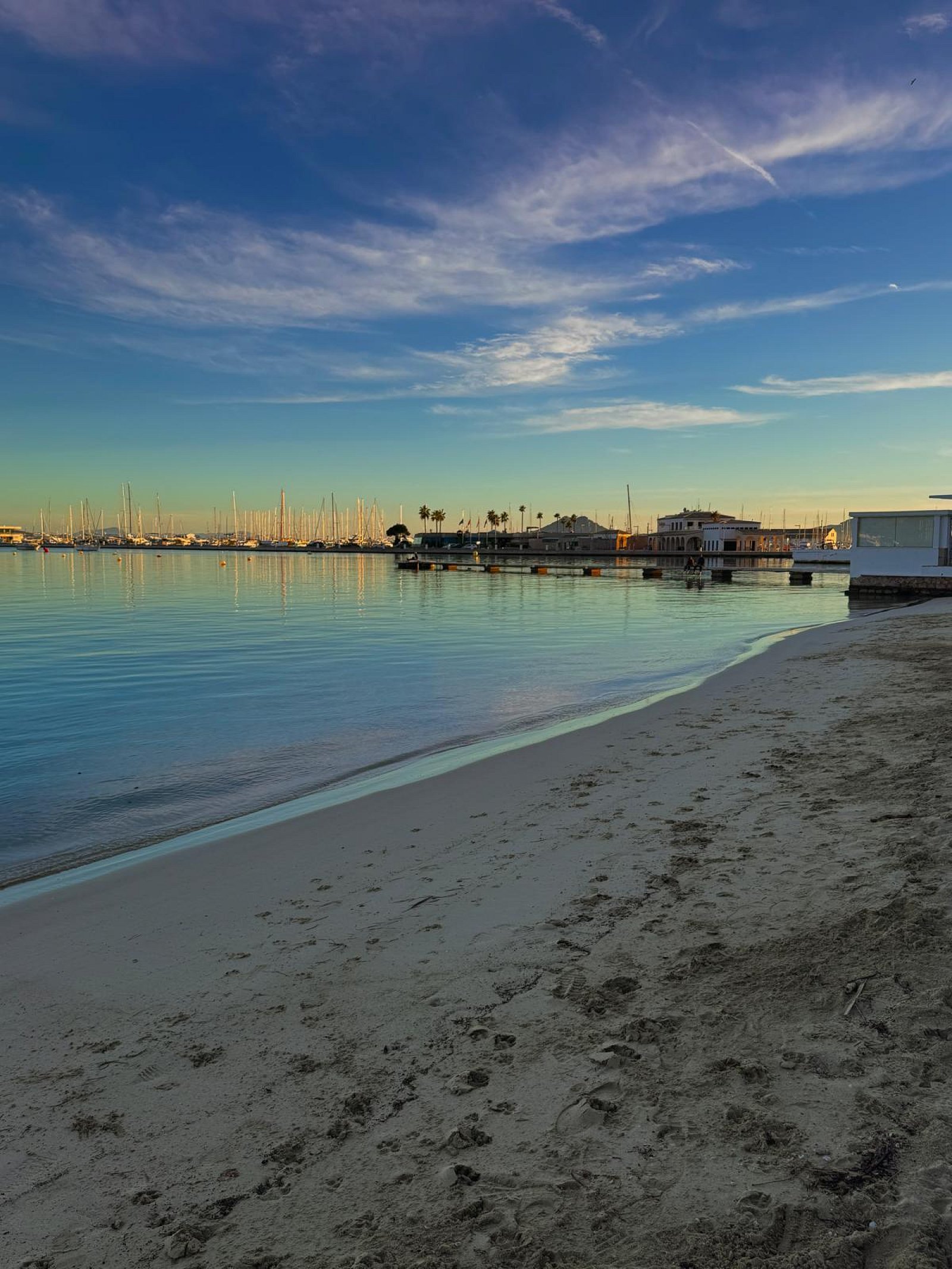
Every season here has its own magic. Pick yours, and let Mallorca do the rest.
Whether it's your first time or you're coming back, the island always has something new to show you.