Typical taxi prices include:
Airport to Palma: around €20–€25
Airport to Magaluf / Palmanova: around €35–€45
Airport to Alcúdia: around €70–€90
Mallorca offers a variety of transport options that make it relatively easy to explore the island even without renting a car. For many visitors, especially those staying in Palma or in popular resort areas, public transport, taxis, and ride-sharing services provide convenient ways to move around. Understanding how the island’s transport system works can help you save time, avoid unnecessary costs, and plan your trips more efficiently.
While renting a car can offer the most flexibility, Mallorca’s public transport network connects many of the island’s main towns, beaches, and tourist destinations. Buses operate throughout the year and run more frequently during the summer season, making them a practical option for many travelers.
The main public transport system in Mallorca is operated by the TIB bus network (Transport de les Illes Balears). These buses connect Palma with most major towns, coastal resorts, and popular tourist destinations across the island.
TIB buses are modern, comfortable, and air-conditioned, which makes them a pleasant option even during the hotter summer months. Routes typically start in Palma and extend toward different regions of the island, including the north coast, the Tramuntana mountains, and eastern beach areas.
Some of the most common routes used by visitors include connections from Palma to destinations such as:
Buses generally run more frequently during the high season (May–October) when tourism peaks. On popular routes, buses may operate every 20–30 minutes, while during the winter months schedules are usually reduced.
Typical bus fares depend on the distance travelled but usually range between €2 and €10 for most routes. Tickets can be purchased directly on the bus or through the official TIB website and mobile app.
Palma de Mallorca Airport (PMI) is well connected to the island’s public transport network. For visitors arriving without a car, buses provide one of the easiest ways to reach major destinations.
The most commonly used airport route is the A1 airport bus, which connects the airport with Palma city center.
Palma Airport → Palma City Centre
Stops include:
The journey takes approximately 20 minutes, and buses typically run every 15–20 minutes during the day. The price of a single ticket is around €5. During the summer season, airport buses operate more frequently to accommodate increased tourist arrivals.
Many travelers arriving in Mallorca want to reach coastal resorts or towns outside Palma. Several TIB routes connect the airport area and Palma with the island’s most popular destinations.
One of the most common routes for visitors staying in northern Mallorca. Travel time is about 1 hour and 15 minutes, and buses run multiple times per day.
This route connects Palma with the scenic town of Sóller in the Tramuntana mountains. It takes approximately 40 minutes by bus, although many travelers prefer the historic train route.
These popular resort areas are located about 20–30 minutes from Palma and are well served by regular bus routes.
For visitors heading to the southeast coast, buses from Palma take roughly 1 hour and 30 minutes, depending on the specific route.
Schedules vary throughout the year, so it is always recommended to check the latest timetable on the TIB website before travelling.
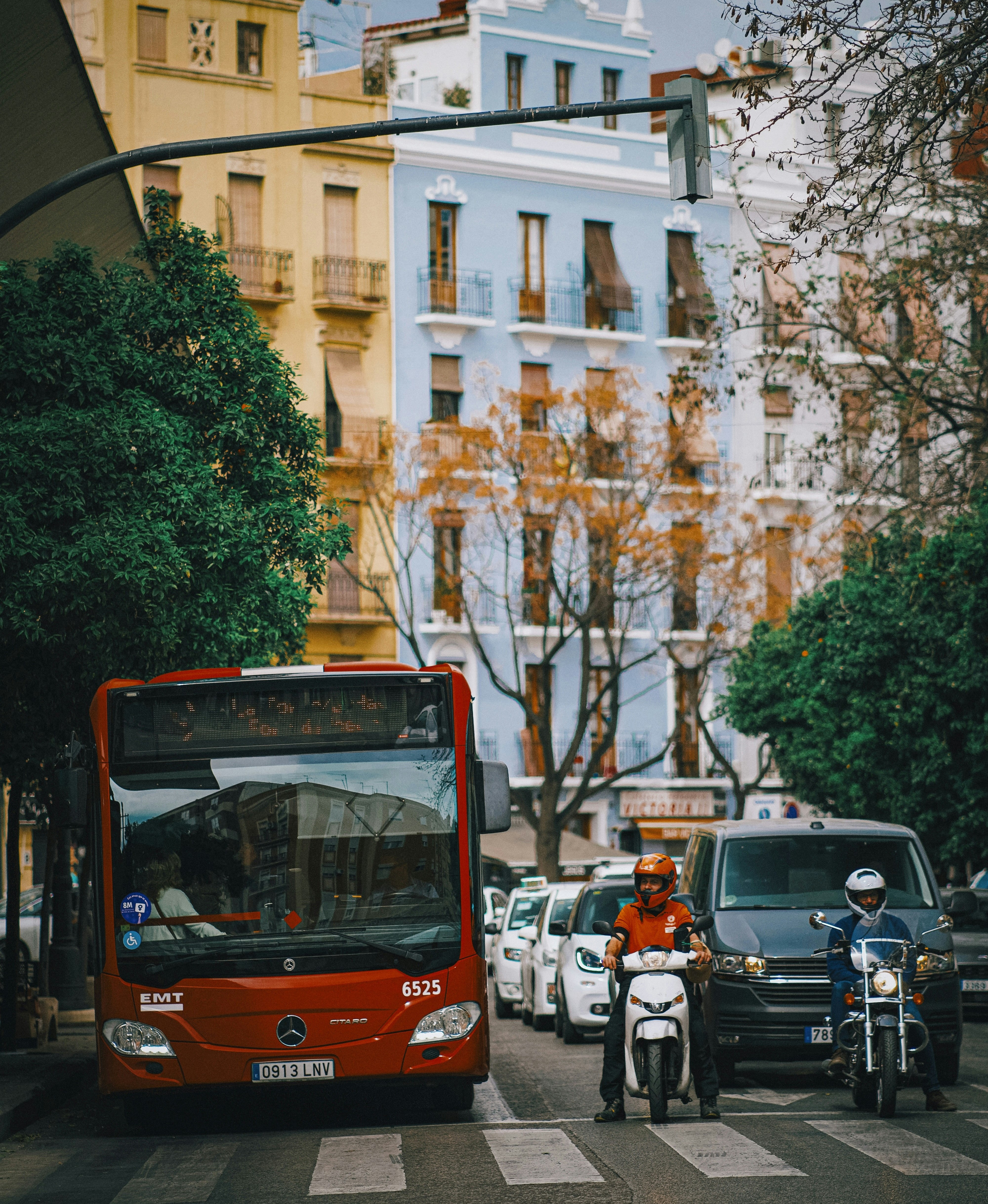
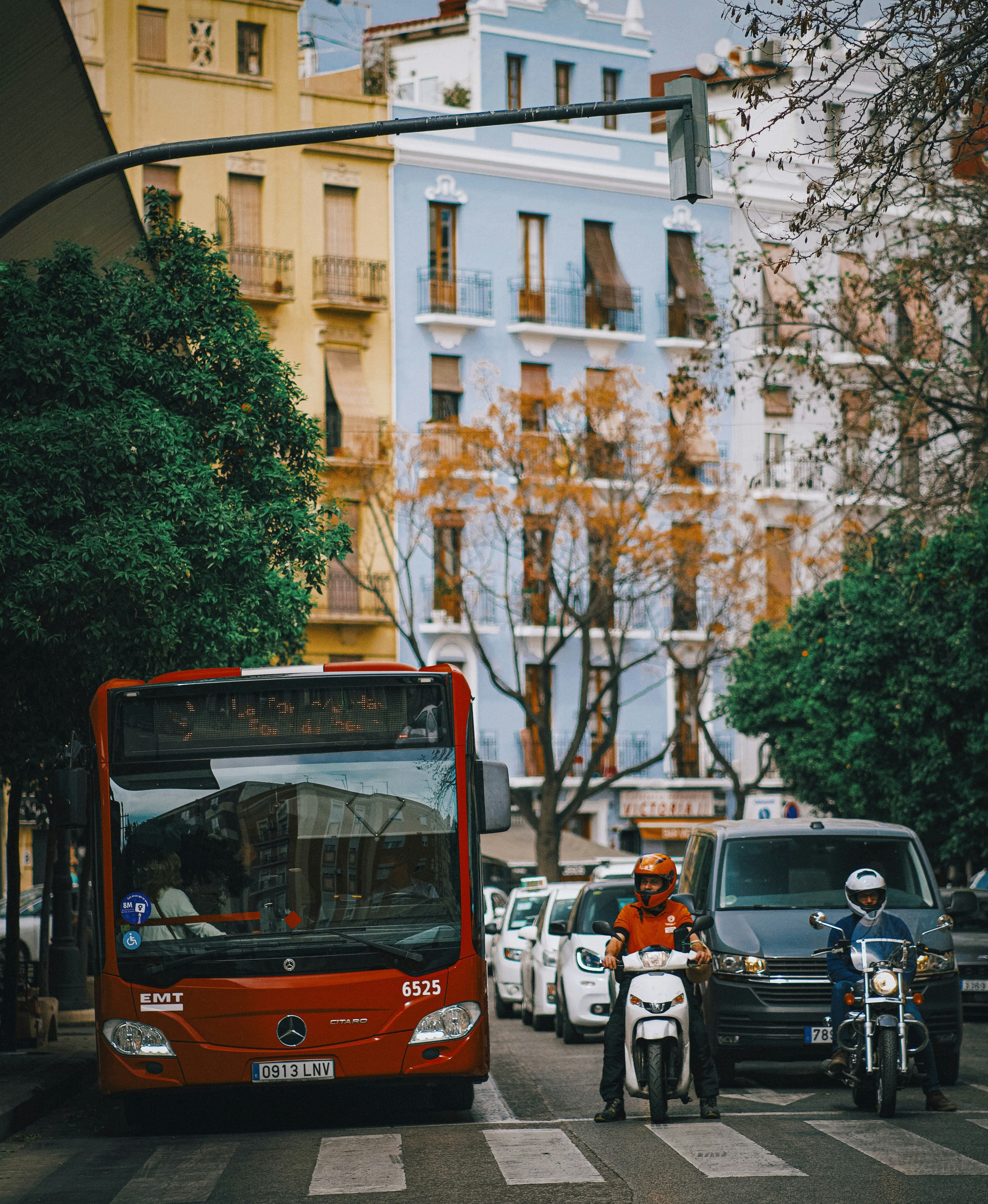
Within Palma itself, public transport is managed by EMT Palma, which operates a network of city buses connecting neighborhoods, beaches, and major attractions.
These buses are especially useful for reaching areas such as: Playa de Palma, Porto Pi, Castell de Bellver, Palma Cathedral, Palma Old Town. City buses run frequently, typically every 10–15 minutes on busy routes. Tickets usually cost around €2–€3, depending on the route.
For visitors staying in Palma, the city is also very walkable. Many of the main sights, restaurants, and historic areas are located within a relatively compact area, making walking one of the best ways to explore.
Taxis are widely available across Mallorca and provide a convenient door-to-door transport option, especially useful when travelling with luggage, arriving late at night, or heading to destinations that are less easily accessible by bus.
You will find taxi ranks at the airport, in Palma, and in most major resort towns. Prices may increase slightly during late-night hours or public holidays.
Airport to Palma: around €20–€25
Airport to Magaluf / Palmanova: around €35–€45
Airport to Alcúdia: around €70–€90
In Mallorca, taxi prices are regulated and generally consistent across the island. The cost of a ride depends mainly on distance, time of day, and whether the journey starts at Palma Airport or another location. For short trips within Palma, taxis are often a straightforward and reliable option.
Uber operates in Palma as well, and prices can sometimes be similar to or slightly lower than traditional taxis, especially during quieter periods. However, Uber fares may increase during times of high demand due to dynamic pricing. Outside Palma and larger tourist areas, taxis are usually the more widely available option across Mallorca.
Beyond buses and taxis, Mallorca also offers several unique transport experiences that are attractions in their own right.
One of the island’s most famous journeys is the historic wooden train connecting Palma and Sóller. The train travels through mountain tunnels and beautiful countryside in the Serra de Tramuntana. The journey takes about one hour and offers spectacular views along the way. From the town of Sóller, a vintage tram continues to Port de Sóller, travelling along palm-lined streets and coastal scenery. It is one of the most charming ways to experience the island.
During the summer season, boat trips connect several coastal locations and offer a scenic alternative to road travel. These excursions often include swimming stops and views of hidden coves along Mallorca’s coastline.
Public transport in Mallorca works particularly well if:
For visitors staying in large resorts such as Alcúdia, Magaluf, or Cala d’Or, buses and taxis are usually sufficient for short trips and excursions. However, reaching remote beaches, small mountain villages, or less touristy areas can be more difficult using only public transport.
While buses and taxis cover many routes, some travelers eventually choose to rent a car for greater flexibility. A rental vehicle allows you to explore hidden beaches, rural villages, and scenic viewpoints that are not always accessible by bus.
If you are planning to explore different regions of the island, renting a car for one or two days can be a practical option.
Learn more about car rental options, prices, and recommended providers in our detailed guide to car rental in Mallorca.
Mallorca’s transport options make it possible to explore the island in several different ways depending on your travel style.
Public buses are affordable and connect most major towns, while taxis and ride-sharing services provide convenient door-to-door travel. For city stays in Palma or resort-based holidays, public transport is often perfectly adequate.
Many visitors combine several transport options during their stay — using buses for longer journeys, taxis for shorter trips, and occasionally renting a car for a day or two of island exploration.
With a little planning, getting around Mallorca can be simple, affordable, and part of the adventure itself.